Effective Strategies to Declutter and Optimize Small Spaces
In an age where minimalism is gaining traction, the importance of organizing our living spaces cannot be overstated. Small spaces often pose unique challenges, making the need for effective decluttering strategies even more crucial. These strategies not only create a more functional environment but also align with a greater mindset of clarity and simplicity.
As we navigate through the complexities of modern life, cultivating an organized space can lead to increased productivity and mental well-being. With the right approach, anyone can transform a cluttered room into a sanctuary of serenity. Below, we will explore the Top 5 strategies that can help you reclaim your space and enhance your living experience.
- Understanding the principles of minimalism
- Emphasizing storage solutions
- Creating multipurpose areas
- Regular decluttering habits
- Utilizing vertical space efficiently
Each of these strategies is designed to empower you in making the most of your small space, fostering an organized environment that reflects your values and lifestyle.
Top 5 Effective Strategies to Reduce Clutter in Small Spaces
Living in a small space can be both a blessing and a challenge. On one hand, downsizing can lead to a simpler, more minimal lifestyle. On the other, it can often result in clutter and disorganization. Finding the balance is key, and the journey to a clutter-free environment requires intentional strategies. In this article, we will explore five effective strategies for reducing clutter in small spaces, ultimately creating a more organized and tranquil environment that not only looks appealing but also enhances day-to-day living.
5. Utilize Vertical Space
In small spaces, floor space is often at a premium. That’s where the creativity of vertical storage comes in. Your walls become your most underutilized asset for storage and decor. Imagine freeing up ground area while doubling your storage capacity. Here’s how you can effectively leverage vertical space:
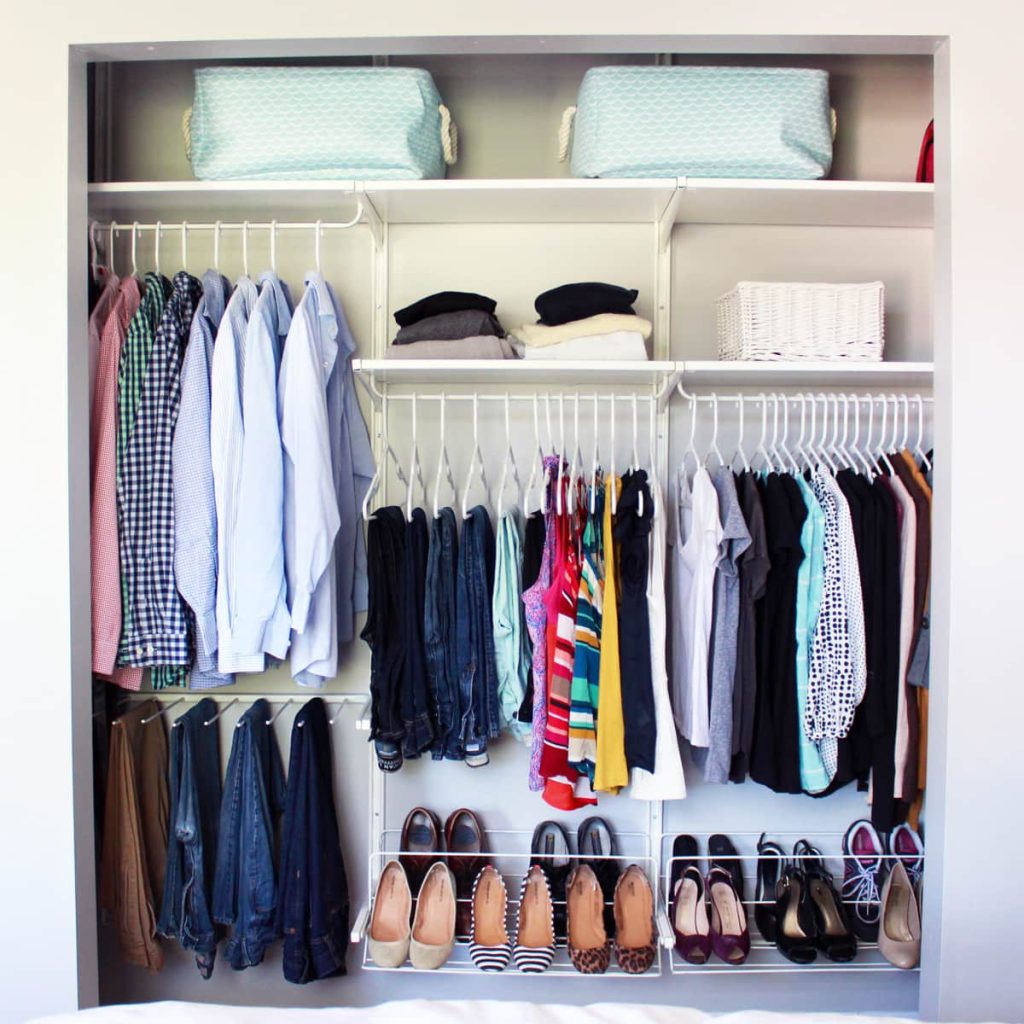
- Floating Shelves: Install these for displaying books and decorative items. Shelves can hold anything from art to houseplants, contributing both functional and aesthetic value.
- Entryway Hooks: Add hooks near the entryway for bags, coats, and accessories. This not just organizes but also declutters visually.
- Pegboards: Utilize pegboards in places like the kitchen or craft room. They offer a customizable way to hang tools and supplies, adapting to changing needs.
By keeping surfaces clear, you open up the room for living. Using vertical space cleverly doesn’t just promote organization; it also enhances the overall appeal of your space. Many modern designs of shelves and pegboards are visually pleasing, allowing you to integrate storage solutions seamlessly into your decor.
4. Embrace Multifunctional Furniture
Furniture that serves multiple functions is a fantastic solution for maximizing every square inch. It offers both the convenience of multipurpose use and the elegance of efficient design. With multifunctional furniture, you can substantially increase the usability of your home:
- Sofa Beds: A classic choice that allows your living room to double as a guest room, providing comfort without compromising on space.
- Convertible Tables: Choose dining tables that can extend, collapse, or fold, aiding you in adapting to occasion and need.
- Storage Ottomans: These dual-purpose pieces offer seating and additional storage, ideal for keeping spaces tidy and practical.
- Under-bed Drawers: Opt for beds with built-in storage to keep bedding or clothes organized and out of sight.
Investing in such versatile pieces not only helps to save space but also adds flexibility to your home, making it easy to transition between hosting guests, relaxing, or engaging in everyday activities. Multifunctional furniture allows for an easy and stylish way to maintain clutter-free surroundings while enhancing the versatility of your living space.
3. Implement the One-In, One-Out Rule
To put a stopper on the torrent of clutter, the one-in, one-out rule is a powerful approach. It encourages a disciplined mindset towards consumption and storage, maintaining equilibrium in your possessions. Here is how you can apply this rule effectively:
- Evaluate Necessity: Before purchasing, assess the true necessity of the item. Does it serve a purpose or bring joy?
- Regular Donations: Regularly identify items that are redundant or not in use, and either donate, recycle, or sell them.
- Designated Donation Area: Keep a specific area in your home for items you plan to remove. This makes the process organized and straightforward.
This ongoing practice urges mindful consumption and fosters a more intentional living space. It perpetually aids in maintaining a tidy environment, ensuring that your space is not overwhelmed with excess possessions. Moreover, it encourages you to recycle and donate, benefiting both the environment and others in need.
2. Declutter Regularly
The notion of a clutter-free small space is not a one-and-done task; it’s a continuous journey. Regular decluttering sessions are essential for maintaining the order and functionality of your environment:
- Scheduled Check-ins: Set a date every few months to assess specific areas in your home.
- Value Assessment: During these check-ins, evaluate if each item still serves a valuable function or if it fits in with your current lifestyle and needs.
- Systematic Sorting: Sort items into clearly defined categories: keep, donate, recycle, or discard.
Regular decluttering and re-evaluating belongings play vital roles in minimizing stress and maximizing usability in your small living space. By consistently reflecting on your belongings, what matters evolves and reflects a living area that aligns closely with your personal and ever-evolving circumstances.
1. Adopt Minimalism
Embracing a minimalist lifestyle is perhaps the most profound strategy for reducing clutter. It encourages you to reflect on your possessions, prioritize what you truly need, and let go of the excess. By focusing on minimalism, you reinvent your living space:
- Identify Priorities: By outlining your values, you can let go of items that don’t support your lifestyle or goals.
- Quality Over Quantity: Prioritize owning fewer, high-quality items that can serve multiple purposes over numerous less substantial ones.
- Mindful Possession Engagement: Ensure each item in your home serves a purpose or brings you joy, fostering a more mindful engagement with your space.
Adopting minimalism redefines how you interact with your environment, focusing on a serene, uncluttered space that reflects personal style without overwhelming your senses. The result is a home that feels cohesive, inviting, and embodies the tranquility you yearn for.
In conclusion, implementing these five strategies can significantly aid in reducing clutter in small spaces. As you begin to incorporate these methods into your lifestyle, you may find that a simpler, more organized home leads to a clearer mind and a more peaceful existence. Each step not only contributes to decluttering but also brings you closer to a balanced harmony within your living space.
| Category | Details |
|---|---|
| Vertical Space Utilization | Using tall shelves, wall mounts, and hooks can significantly free up floor space. |
| Multi-functional Furniture | Choose pieces that serve multiple purposes, like a bed with built-in drawers, to maximize utility without adding clutter. |
| Decluttering Regularly | Establishing a routine for sorting and removing items that are rarely used can keep spaces tidy and manageable. |
| Storage Solutions | Incorporate under-bed storage, storage ottomans, and baskets to hide away items while still keeping them accessible. |
Frequently Asked Questions about Reducing Clutter in Small Spaces
What are some common strategies to start reducing clutter in small spaces?
One effective strategy is to adopt the “one in, one out” rule, meaning every time you bring a new item into your space, you should remove an old one. Another approach is to focus on multifunctional furniture, which not only saves space but also serves various purposes. Vertical storage can also be a game-changer, utilizing wall space instead of floor space.
How can I maintain order once I’ve decluttered my space?
Maintaining order requires consistent habits. Designate specific spots for each item in your home and make a habit of returning items to their rightful places. Regularly assess your belongings to ensure they still serve a purpose. Moreover, consider implementing scheduled decluttering sessions, such as quarterly reviews, to keep your space organized.
Are there any psychological benefits to reducing clutter in small spaces?
Yes, several studies suggest that reducing clutter can lead to decreased stress levels and increased productivity. A tidy environment often contributes to a clearer mind. For many, a minimalist space can create a sense of calm and enhances overall well-being, making it easier to focus on tasks without the distraction of unnecessary items.
What are some practical storage solutions for small spaces?
Practical storage solutions include utilizing under-bed storage, installing shelves high on walls, and using baskets or bins for grouping similar items. Think creatively, such as using door-hanging organizers for shoes or toiletries, and choose storage that blends seamlessly with your décor to maintain harmony and order.
Can digital tools help in managing and reducing physical clutter?
Absolutely! Digital tools can significantly aid in cutting down paper clutter. By scanning important documents and storing them digitally, you can free up physical space. Apps can also help you organize schedules, to-do lists, and inventories, which keeps your space from being overwhelmed with paper trails. This transition to digital not only saves space but is also eco-friendly.
Conclusion: Mastering Small Space Organization
In the quest for effective strategies to reduce clutter in small spaces, the principles of minimalism and personal organization offer a compelling blueprint. By embracing smart storage solutions, letting go of unnecessary items, and optimizing every inch of available space, individuals can transform even the most compact areas into functional and inviting environments.
One of the key takeaways from this exploration is the undeniable power of multi-functional furniture. These savvy pieces serve dual purposes, maximizing utility while conserving space. Additionally, the practice of regularly purging items no longer needed helps maintain order and cultivate a minimalist mindset, fostering a sense of tranquility and focus in daily life.
The art of vertical storage cannot be underestimated either. By utilizing wall-mounted shelves, hooks, and overhead storage, unused space is converted into valuable storage areas. This approach not only removes clutter from floors but also adds an element of visual interest and depth to the space.
The significance of prioritizing essential items—those that serve a purpose or bring joy—reinforces the cornerstone of minimalism: quality over quantity. This intentional approach not only enhances the aesthetics of small spaces but also simplifies lifestyle choices, encouraging mindful consumption.
Ultimately, achieving organization in small spaces is more than an exercise in tidiness; it’s a lifestyle choice that resonates with minimalism’s core philosophy. By implementing these strategies, individuals can create a well-organized, efficient living environment that supports their lifestyle and nurtures their well-being. As the world continues to move towards more sustainable and thoughtful consumption, the principles of reducing clutter and embracing minimalism remain timeless and highly relevant.