
How Minimalism Can Increase Your Time Efficiency

Unlocking Time Efficiency with Minimalism
In today’s fast-paced world, finding effective ways to maximize time efficiency is essential. Embracing a minimalist lifestyle might just be the solution you’re looking for. By eliminating the unnecessary, you can focus on what truly matters.
Minimalism isn’t just about decluttering your space; it represents a profound shift in mindset that can reverberate throughout all areas of life. Consider these key aspects:
- Reduced distractions: Less clutter leads to fewer sources of chaos around you, allowing for greater concentration. Studies have indicated that excessive clutter can heighten stress levels and diminish our ability to focus, due to cognitive overload. By simplifying your environment, you create a serene backdrop that fosters creativity and concentration.
- Streamlined decision-making: Fewer choices lead to quicker decisions, freeing up valuable time and energy. This concept is fundamental to the “paradox of choice,” which suggests that too many options can lead to paralysis rather than empowerment. By simplifying your wardrobe or meal options, for instance, you can make faster decisions and reduce decision fatigue.
- Improved focus: A minimalist approach encourages you to prioritize tasks that align with your goals and values. Instead of scattering your attention across numerous low-priority activities, minimalism enables you to identify and commit to what truly moves you forward, enhancing both productivity and fulfillment.
Implementing minimalism can lead to a transformative impact on your daily routines and overall productivity. For instance, reimagining your workspace by minimizing distractions can result in more effective work sessions, allowing you to complete tasks in a fraction of the time compared to a cluttered environment. Furthermore, a decluttered schedule encourages you to manage commitments more effectively, reducing the chaos of back-to-back appointments and enhancing your time management skills.
As you journey deeper into the concept of minimalism, you may uncover an empowering philosophy that encourages intentional living. Every facet of your life, from your material possessions to your social commitments, can be evaluated and adjusted to support a more efficient and purposeful existence. This can also mean saying no to engagements or responsibilities that do not serve your overall vision, creating more bandwidth for what truly matters.
To aid you in your exploration, consider practical tips like adopting a “one in, one out” rule for new purchases or dedicating a few minutes each day to declutter a small area of your home or workspace. You may also find it beneficial to reflect regularly on your commitments, assessing which ones align with your long-term goals. Such minimalistic strategies can yield a profound enhancement in efficiency and clarity in your life.
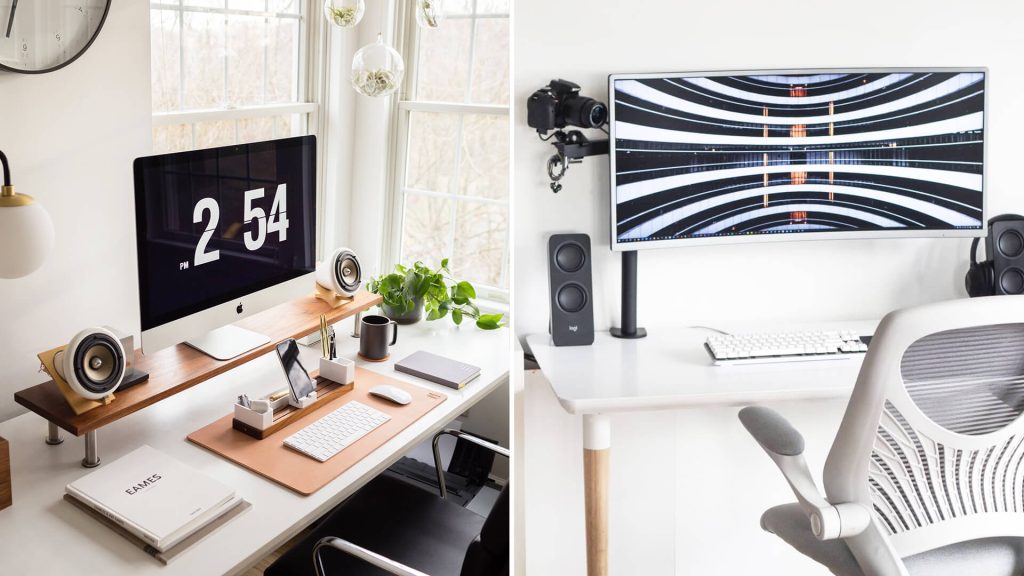
As we delve into the myriad ways minimalism can influence your efficiency, you’ll soon discover actionable strategies designed to enhance your productivity. Join us on this enlightening journey to simplify and optimize your time, unlocking the potential for a more meaningful and accomplished life.
DISCOVER MORE: Click here for effective strategies
The Transformative Impact of Minimalism on Time Management
As we navigate our daily lives, it’s easy to become overwhelmed with the multitude of tasks and commitments vying for our attention. Minimalism offers a solution to reclaim lost hours and enhance your time efficiency. The beauty of this lifestyle is not just about owning fewer things—it’s about strategically optimizing how we engage with our surroundings and responsibilities.
One of the first indicators of time efficiency lies in the way we organize our physical and mental spaces. By adopting a minimalist lifestyle, individuals often experience a notable decrease in time spent searching for items, whether that’s keys, documents, or even ideas. Less clutter equates to less distraction, allowing our minds to operate with greater clarity. A recent study from the University of California, Los Angeles (UCLA) illustrated that individuals in cluttered home environments experience considerably higher stress levels, which can significantly impede their ability to focus. In contrast, a minimalist space fosters a tranquil atmosphere where one can engage in deep work.
Additionally, the process of decluttering extends beyond just physical objects. Consider the numerous digital distractions that consume our time. A minimalist approach can help in organizing your digital life as well. From email inboxes to app notifications, minimizing digital clutter can streamline interactions and enhance productivity. Here are a few techniques to consider:
- Unsubscribe from unnecessary emails: By limiting inbound communications to only what is vital, you can free yourself from the noise of excessive promotions and mass mailings.
- Organize digital files: Implement a consistent naming and filing system for documents and images, allowing for quick access to what you need when you need it.
- Limit social media usage: Reducing time spent on social platforms can significantly clear mental space, allowing you to devote your energy to more meaningful pursuits.
This decluttering process feeds directly into the concept of streamlined decision-making. The more choices we face, especially in our daily routines and environments, the more time and mental energy is consumed. This is particularly evident in meal planning or wardrobe selections. A minimalist closet—consisting of versatile, high-quality pieces—can facilitate quicker morning decisions, eliminating the stress often attached to picking out what to wear each day.
Creating routines that reflect minimalist principles can also influence how we prioritize tasks. Instead of feeling compelled to juggle many responsibilities, adopting a minimalist mindset encourages individuals to evaluate which commitments align with their core values and long-term goals. This approach transforms the task management process into one marked by intentionality rather than mere obligation, leading to greater achievement of outcomes.
In essence, minimalism serves as a profound catalyst for enhancing time efficiency. By recognizing what serves you best and curating both mental and physical spaces accordingly, you pave the way for a more focused and productive existence. As we further explore minimalism’s benefits, you’ll uncover additional strategies to harness its power for optimal time management.
| Category | Details |
|---|---|
| Time Management | Minimalism fosters better prioritization of tasks, allowing individuals to focus on what truly matters. |
| Reduced Clutter | A decluttered environment can lead to improved cognitive function and faster decision-making abilities. |
| Increased Focus | With fewer distractions, productivity levels can significantly improve, allowing more tasks to be completed in less time. |
| Stress Reduction | Minimalism promotes mental clarity, thereby reducing stress and enhancing overall well-being, which can lead to increased efficiency. |
Adopting a minimalist approach not only clears physical space but also mental clutter, enabling individuals to navigate their daily tasks with renewed energy and focus. By minimizing distractions, tasks become clearer, leading to better time management and less stress. With the right mindset, minimalism can indeed be a powerful tool in boosting time efficiency and productivity!
DISCOVER MORE: Click here for insights on organizing your life</a
Leveraging Minimalism for Enhanced Focus and Productivity
As we delve deeper into the relationship between minimalism and time efficiency, another critical aspect comes into focus: the art of prioritization. Many modern life hacks emphasize multitasking as a way to maximize productivity. However, research consistently shows that what we often perceive as ‘efficient’ is actually a pathway to diminishing returns on our time investment. Adopting a minimalist mindset allows individuals to shift their approach from multitasking to concentrated effort on singular goals.
When you strip away the distractions, both in your environment and your schedule, you empower your capacity for deep work. For instance, the famed author and productivity guru Cal Newport advocates for cultivating routines that enable extended periods of focus. By minimizing unnecessary activities that bog us down, we can create dedicated blocks for intense concentration. Newport’s notion of a “deep work” routine aligns perfectly with minimalist principles, suggesting that fewer commitments lead to greater mastery of the things we choose to devote our time to.
Moreover, minimalism invites you to assess your leisure activities with a critical eye. In a world saturated with entertainment options—streaming platforms, social media, and an ever-increasing range of hobbies—one may easily find themselves spending valuable time on trivialities rather than rejuvenating or intellectually stimulating pastimes. By consciously selecting a few key activities or hobbies that resonate with you, you not only enhance your enjoyment but also induce a sense of fulfillment, creating a positive feedback loop that can directly affect your productivity.
Furthermore, the principles of minimalism extend into time blocking, a strategy wherein you allocate specific hours of the day to particular tasks. This technique harnesses the power of focused intention, which has been supported by behavioral science studies. By knowing in advance what you intend to accomplish during the day, you alleviate the cognitive load of deciding what to do next—leaving more room for creativity and critical thought. The Pomodoro Technique—working in short, intense bursts followed by brief breaks—also complements this structured approach, marrying well with a minimalist philosophy as it discourages the habit of overworking.
It’s also essential to recognize the role that self-discipline plays in a minimalist life. Often, distractions arise from internal impulses as much as external stimuli. By adopting a minimalist mentality, you can forge better habits that cut through your innate tendency to procrastinate. Whether it’s limiting screen time or resisting the urge to engage in time-consuming yet unproductive activities, such discipline remains a cornerstone in utilizing minimalism to bolster time efficiency.
On a broader scale, minimalism speaks to the technology we embrace. The concept of minimizing one’s online presence and the digital tools we utilize can have a significant impact on productivity. For example, exploring platform-level workflows that emphasize automation can free up time you might waste on repetitive tasks. Applications like Trello or Notion, designed to simplify collaboration and project management, epitomize how selecting the right digital environment can streamline your workflow and enhance your time management skills.
Ultimately, by aligning your environment, habits, and prioritization strategies with the tenets of minimalism, you create a holistic framework that stimulates time efficiency. This intricate balance paves the way for an enriched lifestyle where time spent is not merely passed but invested judiciously toward what truly matters. As we continue our exploration of minimalism’s benefits, you’ll find that these strategies can profoundly reshape your relationship with time itself.
DISCOVER MORE: Click here to learn how minimalism can streamline your day</p
Conclusion: The Transformative Power of Minimalism on Time Efficiency
In navigating the complexities of modern life, embracing minimalism emerges as a powerful strategy to enhance time efficiency. By consciously reducing distractions, prioritizing singular tasks, and fostering deep focus, individuals position themselves to tap into their full potential. This deliberate approach not only cultivates productivity but also reshapes our relationship with time itself, transforming it from an endless resource into a precious commodity.
Through the lens of minimalism, we learn to distinguish between meaningful engagements and trivial pursuits. The practice of selecting specific leisure activities that resonate with our true interests fosters a sense of fulfillment, encouraging a more deliberate use of leisure time. Additionally, techniques such as time blocking and the Pomodoro Technique emerge as effective tools to structure our days, counteracting the chaos that often hampers our efficiency.
You are now equipped to question the array of digital platforms at your disposal. Leveraging technology thoughtfully through automation and streamlined workflows can drastically reduce the time spent on repetitive tasks, allowing for a more significant investment in areas that truly matter. As you integrate these minimalist principles into your daily routine, you lay the groundwork for not just enhanced performance but also a more enriched lifestyle.
Ultimately, as minimalism encourages a shift toward intentional living, it reminds us that every moment is a choice. Therefore, by adopting a minimalist mindset, you empower yourself to make choices that reflect your core values and aspirations, paving the path to a more efficient and fulfilling tomorrow.