The Impact of Minimalism on the Organization of Collaborative Workspaces
The Transformation of Work Environments through Minimalism
As modern professionals seek more fulfilling and efficient ways to collaborate, the minimalist approach in workspace design has gained significant traction. This philosophy emphasizes simplicity and intentionality, allowing employees to focus on their tasks without the distractions inherent in traditional office settings. The impact of minimalism goes beyond aesthetics; it fundamentally changes how teams operate and innovate together.
One of the critical elements of minimalism is clutter reduction. Research has shown that a tidy space can vastly improve concentration and work quality. By eliminating unnecessary items, companies can create calming environments that reduce stress and encourage focused thinking. For instance, tech giant Google has embraced minimalism in certain departments by incorporating clean lines and low-profile furniture, making it easier for teams to concentrate on problem-solving rather than being overwhelmed by their surroundings.
Functional design is another cornerstone of minimalist workspaces. Furniture and technology must not only be contemporary but also serve a clear purpose. For example, collaborative tables equipped with built-in power outlets allow teams to share ideas without the hassle of tangled cords and cumbersome devices. Such designs encourage interaction by making it straightforward to gather around a single surface, fostering communal brainstorming sessions that can lead to innovative solutions and enhanced creativity.
The incorporation of open spaces further enhances collaboration. Studies indicate that environments featuring fewer barriers promote spontaneous conversations, which can lead to idea generation and improved team cohesion. Companies like WeWork demonstrate this principle by crafting shared workspaces that bring professionals from diverse backgrounds into close proximity, thus maximizing networking possibilities. The less formal atmosphere of these environments allows for the free exchange of ideas, mirroring the benefits seen in small start-up environments.
The positive repercussions of minimalism extend to employee well-being as well. A serene yet purposeful workspace can lead to greater job satisfaction and overall morale. According to surveys, businesses that adopt minimalist principles can report an uptick in employee contentment by up to 25%, highlighting the tangible benefits of this approach.
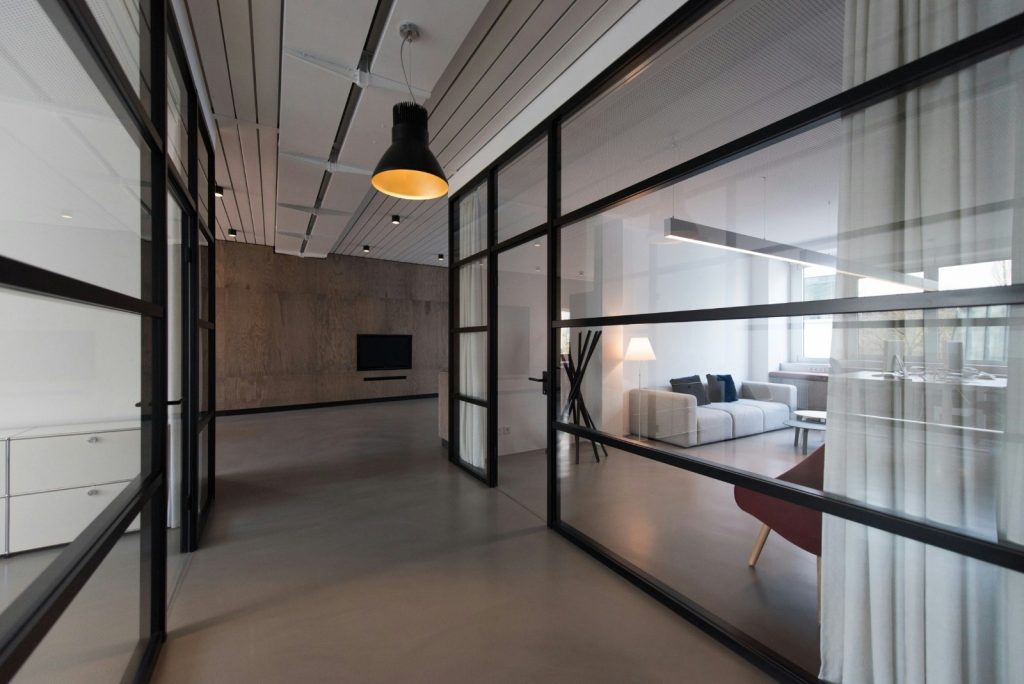
As we explore the implications of minimalism in collaborative workspaces, it is essential to consider not just the design aspects but also how they refashion team dynamics. The shift toward minimalism reflects a broader cultural trend that prioritizes efficiency and employee satisfaction, emphasizing the need for organizations to adapt to an evolving work landscape.
Join us as we take a closer look at how this evolving movement is redefining the nature of work environments across the United States, exploring both its challenges and its extensive possibilities for the future of collaboration.
DISCOVER MORE: Click here for effective strategies
Embracing Flexibility and Functionality
The minimalism movement extends beyond merely decluttering and aesthetic choices; it introduces a philosophy of flexibility and functionality in collaborative workspaces. As organizations evolve in response to shifting work practices and employee expectations, the ability to adapt spaces for various tasks has become essential. Minimalist workplace designs often prioritize open layouts that allow for multi-functional use, catering to the diverse needs of teams working together.
For instance, many companies are opting for modular furniture that can be easily reconfigured to suit different activities, whether it be a brainstorming session, a team huddle, or a formal presentation. By allowing teams to rearrange their environment according to their immediate needs, these spaces foster creativity and encourage participation. The Harvard Business Review points out that this adaptability can lead to a more engaged workforce, which is crucial in today’s fast-paced business environment.
Moreover, the functionality of minimalist spaces is complemented by a strategic approach to technology integration. In modern collaborative workspaces, technological advancements play a vital role in enhancing productivity. Companies are increasingly incorporating smart technology into their work environments, such as interactive whiteboards and digital projectors, that seamlessly integrate with minimalist designs. This technology not only supports real-time collaboration but also adds to a streamlined aesthetic, preventing the accumulation of clutter from wires and outdated equipment.
Key Benefits of Minimalist Collaborative Workspaces
Investing in minimalist design principles for collaborative workspaces yields significant advantages for organizations. Here are a few key benefits:
- Improved Collaboration: Open layouts and communal seating arrangements enhance opportunities for team interaction and brainstorming.
- Increased Productivity: A clutter-free and functional workspace helps reduce distractions, allowing employees to focus on their tasks.
- Enhanced Employee Well-being: Minimalist designs contribute to a more pleasing environment, improving job satisfaction and overall morale.
- Cost Efficiency: By utilizing multi-functional furniture and fewer decorations, businesses can reduce overhead costs associated with maintaining traditional office layouts.
The crossroads of minimalism and collaboration invites organizations to rethink their approach to workspace design. With technology continuously evolving, the minimalist framework offers the flexibility needed to embrace future trends while ensuring the work environment remains conducive to teamwork and creativity. In this manner, companies can facilitate a vibrant culture that not only supports current collaboration but also anticipates future challenges and opportunities.
As we delve deeper into this topic, it becomes clear that the principles of minimalism are reshaping not just the physical spaces where teamwork occurs, but also the very fabric of organizational culture, driving a more engaged and efficient workforce.
The Influence of Minimalism on Collaborative Workspaces
As businesses increasingly adapt to dynamic work environments, the concept of minimalism becomes vital in shaping collaborative workspaces. Emphasizing open space and reducing clutter enables teams to focus on their tasks without distractions. The minimalist approach doesn’t just streamline aesthetics; it promotes a more efficient workflow and encourages innovation. In fact, research indicates that teams who work in minimalist spaces are more engaged and productive.
Furthermore, the integration of minimalism fosters better communication among team members. By eliminating physical barriers, such as high cubicles or overcrowded areas, workers can easily exchange ideas and feedback. The simplicity of the designs enhances the sense of community and openness, which are essential in a collaborative setting. Also, minimalism encourages the use of multifunctional furniture, making it easier to create adaptable workstations that cater to varied team needs.
Moreover, the minimalist design has a profound impact on employee well-being. Natural lighting, greenery, and an uncluttered environment contribute to improved mental health, reducing stress and promoting a positive workplace culture. This balance between simplicity and utility allows organizations to attract and retain top talent, creating a vibrant atmosphere ideal for collaboration.
| Advantages | Key Features |
|---|---|
| Enhanced Focus | Reduced distractions lead to increased productivity. |
| Improved Communication | Open layouts promote easy exchange of ideas. |
| Employee Well-being | Natural elements and space reduce stress. |
| Flexibility | Multifunctional spaces adapt to different needs. |
In summary, embracing minimalism not only transforms workspaces but also enhances the overall collaborative team experience. This holistic approach to environmental design underlines the importance of creating a workspace that is both functional and aesthetically pleasing, leading to greater success in achieving business objectives.
DISCOVER MORE: Click here for time-saving strategies
Redefining Communication and Interaction
As collaborative workspaces continue to evolve under the influence of minimalist design, the way teams communicate and interact with one another is also undergoing a significant transformation. Minimalism promotes an environment where transparency and openness become integral to daily operations. This shift can lead to stronger collaborative efforts as well as improved relationships among team members.
Traditional office setups often compartmentalized groups, creating barriers that impeded free communication. In contrast, minimalist designs encourage an open dialogue, allowing teams to share insights and ideas more fluidly. For instance, tech giants like Google have adopted a less-is-more philosophy by creating vast open spaces punctuated with communal areas. This design promotes informal interactions, which studies suggest can spur innovation and creativity. According to a research report from the University of Alberta, workplaces that support casual interactions can see a 25% increase in creative problem-solving abilities among employees.
Another important facet of minimalist collaborative workspaces is the emphasis on visual clarity. Reducing visual clutter can help team members to focus on what truly matters, driving effective discussions and decision-making. With designated areas for specific tasks—such as brainstorming zones equipped with whiteboards, and focused working environments—employees can quickly navigate their work responsibilities without distraction. By utilizing sleek, functional design elements, teams can maintain an uncluttered mindset while engaging in high-stakes projects or discussions.
Cultivating a Culture of Mindfulness
Minimalism in collaborative workspaces not only enhances functionality but also fosters a culture of mindfulness among employees. With the rise of remote work and digital communication tools, the importance of mental space cannot be overstated. Minimalist designs actively contribute to employee well-being by creating environments that encourage presence and focus. Companies can incorporate calming elements such as natural light, greenery, or even meditative spaces into their layouts, contributing to a more balanced work atmosphere.
Data from the Global Workplace Survey reveals that 70% of employees value spaces that support both collaboration and personal reflection. Integrating areas for quiet work amidst communal settings allows individuals to recharge or concentrate on deeper tasks without abandoning the collaborative spirit. This balance between collaboration and solitary work not only enhances satisfaction but also boosts overall productivity.
- Encouragement of a Collaborative Mindset: An open environment nurtures trust among team members, paving the way for more effective team dynamics.
- Clarity of Purpose: Minimalist designs directly reinforce goals and objectives by minimizing distractions, thereby enhancing focus during group efforts.
- Mental Well-being: Spaces designed with mindfulness in mind help reduce stress and anxiety, which are common barriers to productivity.
- Fostering Inclusivity: Accessible collaborative spaces encourage a wider range of participation, thereby leveraging diverse perspectives and ideas.
As organizations strive to cultivate more engaged and harmonious work environments, the fusion of minimalism with collaborative workspace design stands as a powerful testament to adaptability and innovation. Understanding this impact sets the groundwork for businesses to rethink traditional work dynamics, opening the door to a promising future of collaboration driven by clarity, openness, and mindfulness.
DISCOVER MORE: Click here for effective decluttering tips
Conclusion: Embracing Minimalism for Enhanced Collaboration
In summary, the impact of minimalism on the organization of collaborative workspaces cannot be overstated. By fostering an environment that prioritizes openness, clarity, and mindfulness, companies are effectively reshaping how teams interact, innovate, and perform. The transition to minimalist designs encourages spontaneous exchanges of ideas and facilitates a seamless flow of communication, which are crucial factors in a thriving collaborative culture.
As organizations recognize the necessity of mental well-being in the workplace, the inclusion of elements that support both collaboration and individual reflection becomes essential. By intentionally designing spaces that balance communal and private areas, businesses can empower employees to engage in both collaborative efforts and personal focus. This harmonious blend not only elevates employee satisfaction but also drives productivity and creativity.
Furthermore, the key findings from various studies highlight the tangible benefits of minimalist design in enhancing workplace dynamics and employee performance. With a reported increase in creative problem-solving and reduced stress levels, organizations have fertile ground to cultivate a culture that thrives on being both productive and innovative.
As the world of work continues to evolve, adopting a minimalist approach to collaborative workspaces stands as a strategic imperative. This paradigm shift not only welcomes inclusivity and diverse perspectives but also positions companies to thrive in an ever-changing business landscape. Organizations looking to stay ahead would do well to explore this transformation further, uncovering new avenues for collaboration that promise to revolutionize the workplace experience.