
Transforming Priorities: The Role of Minimalism in Reevaluating Commitments and Personal Values

Transforming Priorities Through Minimalism
In a world overflowing with choices and distractions, the notion of minimalism offers a refreshing lens through which to reevaluate our commitments and personal values. This transformative approach encourages individuals to prioritize quality over quantity, leading to a more deliberate and fulfilling life.
Adopting minimalism is not merely about decluttering physical spaces; it extends beyond the tangible. It reshapes our emotional and psychological landscapes, urging us to eliminate the excess that clouds our judgment and dilutes our sense of self. Here are some key aspects of minimalism that resonate widely:
- Intentionality: Every choice reflects deeper values and personal beliefs. When individuals embrace minimalism, they become more selective about what they allow into their lives, be it possessions, commitments, or relationships. For instance, a person may choose to forgo a high-paying job that requires excessive hours in favor of a modest position that allows for more family time, aligning their career with their values.
- Focus: Reducing distractions helps to clarify what truly matters. In a society dominated by digital noise—from social media notifications to constant emails—minimalism serves as a guiding philosophy that encourages individuals to rise above this chaos. By dedicating time to important activities, such as hobbies or friendships, people can reignite their passions and build more meaningful connections.
- Mindfulness: This principle emphasizes the importance of being present and aware in daily life. Minimalism teaches individuals to savor simple moments, whether it’s enjoying a quiet cup of coffee in the morning or engaging in a heartfelt conversation with a loved one. Such practices can significantly enhance our overall well-being.
These principles are instrumental in helping individuals identify and align their commitments with their core values. As people in the United States face increasing pressures from societal expectations—whether it’s the compulsive need to keep up with peers or the incessant marketing of consumer products—minimalism serves as a powerful antidote. It prompts a shift toward a more meaningful existence, free from the burdens of unnecessary obligations.
Furthermore, understanding the role of minimalism can unlock profound insights into what we genuinely cherish. By shedding distractions and unnecessary demands on our time, we create a sanctuary for pursuits that truly resonate with our identities. Whether it’s dedicating time to creative projects, volunteering, or simply enjoying nature, minimalism provides the framework for a life well-lived.
Join us as we delve into the transformative power of minimalism and explore how it challenges us to reconsider our priorities. By adopting this mindset, individuals can foster a richer and more intentional life, ultimately enhancing their sense of fulfillment and joy.

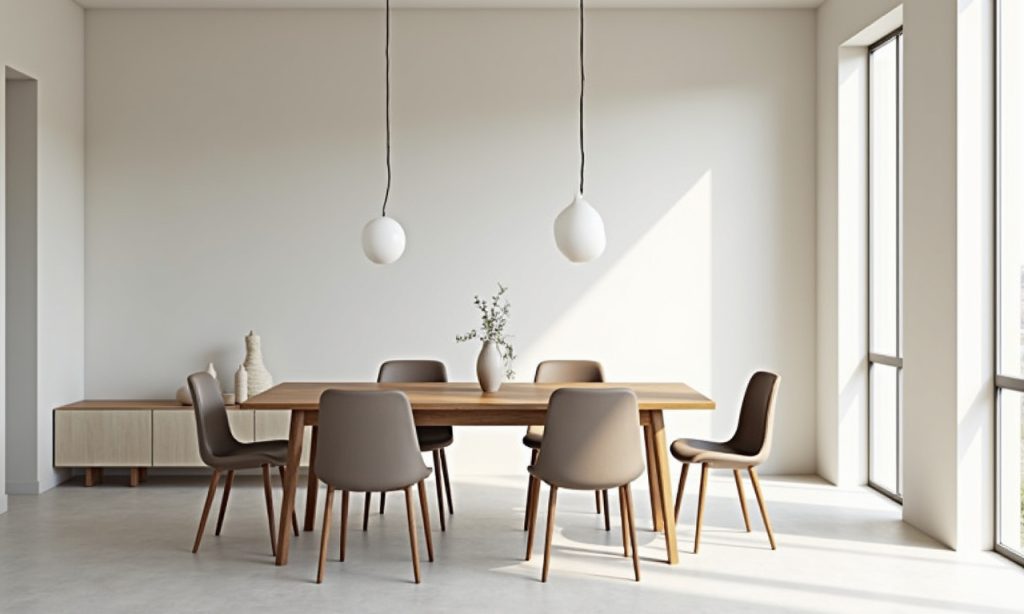
DISCOVER MORE: Click here to learn how to optimize your space
Understanding the Minimalist Mindset
The minimalist mindset acts as a compass, guiding individuals through an increasingly complicated landscape of choices. It encourages a profound introspection that leads to the essential question: What truly matters in life? This inquiry can unearth personal values that may have been buried under layers of societal expectations and material aspirations. Engaging with minimalism, therefore, becomes a strategy for cultivating clarity and authenticity in one’s life.
Many people in the United States find themselves caught in a cycle of overcommitment, driven by a pursuit of success and status. A study conducted by the Pew Research Center found that a staggering 55% of Americans experience stress from feeling overwhelmed by their responsibilities. This constant state of busyness can overshadow genuine interests and personal priorities. Minimalism offers a way out: it teaches individuals how to carve out space for what resonates with their true selves.
Key Concepts of Minimalism
Minimalism encompasses several key concepts that allow individuals to reshape their priorities and commitments:
- Clarity: Minimalism enables individuals to see their commitments through a clearer lens, distinguishing between what is essential and what is superfluous. It prompts an evaluation of activities, relationships, and even career choices that align with one’s core beliefs.
- Freedom: By reducing the number of commitments and excess items in their lives, individuals experience a sense of freedom. This liberation enables them to focus on passionate endeavors, whether it is travelling, arts, or pursuing a new career that aligns more closely with their values.
- Connection: Fostering deeper connections with people rather than spreading oneself thin across numerous obligations is a significant aspect of minimalism. Individuals begin to recognize the value of meaningful relationships and prioritize time spent with family and friends over obligatory social events.
As minimalism increasingly finds its footing in mainstream culture, it serves as a stark contrast to the whirlwind of consumerism prevalent today. By embracing its principles, individuals can challenge the status quo of keeping up with the Joneses, questioning why they pursue certain commitments in the first place. Is it societal pressure? A deeply ingrained need for validation? Minimalism encourages a crucial reevaluation of the motivations behind our choices.
Moreover, studies suggest that practicing minimalism can lead to enhanced mental health. Research published in the Journal of Environmental Psychology indicates that individuals who embrace minimalism report lower levels of anxiety and greater life satisfaction. This data supports the notion that when we focus on quality rather than quantity, we cultivate a sense of calm amidst the chaos.
In conclusion, understanding the minimalist mindset serves as a gateway to transforming priorities. By reevaluating commitments and aligning them with personal values, individuals can lead more intentional lives. The journey to minimalism is not a one-time event but rather an ongoing process of reflection and refinement that ultimately results in a more fulfilling existence.
Transforming Priorities: The Role of Minimalism in Reevaluating Commitments and Personal Values
In today’s fast-paced society, the principle of minimalism is becoming increasingly relevant as individuals seek to clarify their commitments and realign their personal values. This shift often involves stepping back from the clutter of everyday life—be it physical possessions, overwhelming schedules, or societal expectations—and focusing on what truly matters. As people begin to embrace minimalism, they often find themselves on a journey of self-discovery that prompts significant lifestyle changes.
The Essence of Minimalism
Minimalism is not merely a design choice; it’s a philosophy that encourages individuals to prioritize quality over quantity. By decluttering their lives, people can create space for deeper connections, increased mindfulness, and enhanced well-being. This results in a more fulfilling life, unburdened by superfluous distractions. As they prioritize personal values—such as family, health, and community—individuals may find that their commitments begin to reflect these core beliefs.
Reevaluating Commitments
When one adopts a minimalist mindset, it invites a comprehensive reevaluation of commitments. The constant bombardment of social media and consumer culture can create a sense of obligation to engage in activities that align more with external pressures than genuine interests. Embracing minimalism allows a person to discern between what is essential and what is merely noise. As they remove these distractions, they create an opportunity to engage in passions that resonate with their true selves.
This transformative approach often leads to a significant lifestyle opportunity—rediscovering passions and hobbies overshadowed by the weight of numerous obligations. Whether it means prioritizing family dinners over work commitments or allocating time for personal growth instead of social obligations, minimalism creates a framework to evaluate one’s priorities effectively.
Benefits of Transforming Priorities
The most impactful benefit of this transition is the realization of time as a precious resource. By embracing minimalism, individuals can actually reclaim their time, allowing for a more balanced and intentional existence. Efficient time management becomes possible through the reduction of unnecessary commitments, ultimately providing the freedom to engage in enriching experiences that reinforce personal values.
| Advantage | Description |
|---|---|
| Enhanced Clarity | By reducing clutter, individuals gain a clearer perspective on their true priorities. |
| Improved Well-being | Focusing on essential commitments leads to a more fulfilling, peaceful life. |
As minimalism continues to influence contemporary thought, its role in reshaping commitments and values can lead to richer, more intentional experiences. It is a powerful reminder that the pursuit of less can often yield greater satisfaction and well-being.
DIVE DEEPER: Click here to discover effective decluttering strategies
Practical Steps to Embrace Minimalism
While understanding the minimalist mindset lays the groundwork for transformation, the real journey begins with practical implementation. Several strategies can assist individuals in integrating minimalist principles into their daily lives, effectively reshaping priorities and commitments.
1. Decluttering: The First Step Towards Clarity
Decluttering is often the first tangible step on the path to minimalism. According to a report by the National Association of Professional Organizers, 80% of the clutter in people’s homes is rarely used. By systematically removing items that no longer serve a purpose or bring joy, individuals create a physical and mental environment that promotes clarity. This endeavor can start small—perhaps a single drawer or closet—and gradually expand to encompass larger spaces. The psychological benefits are significant; studies illustrate that physical clutter can lead to feelings of chaos and anxiety.
2. Evaluating Commitments
In the quest for minimalism, reevaluating one’s commitments is vital. A practical approach involves creating a “commitment inventory.” This exercise requires cataloging current obligations, whether they are social events, work projects, or community service roles. By assessing which commitments enhance life quality and which drain energy, individuals can prioritize effectively. The key is to embrace the power of saying ‘no’—an essential skill often overlooked in a culture that equates busyness with success. In fact, a survey from Jobvite indicated that 43% of employees felt they were overcommitting, which led to job dissatisfaction. Simplifying commitments can lead to a more harmonious work-life balance.
3. Mindful Consumption
Minimalism extends beyond physical spaces and into consumer habits. Embracing mindful consumption involves critically assessing purchases and understanding their implications. Individuals are encouraged to ask themselves five pivotal questions before making a purchase: Do I need this item? Does it align with my values? Will it add joy or utility to my life? By integrating this intentionality into shopping rituals, individuals can stave off impulse buying and reduce excess material possessions. The Environmental Protection Agency reported that the average American discards roughly 4.5 pounds of waste daily, in large part due to impulsive consumer behavior. Mindful consumption not only supports personal transformation but contributes to environmental sustainability.
4. Journaling for Self-Discovery
Another effective tool for embracing minimalism is journaling. Keeping a journal dedicated to reflections on personal values, priorities, and emotional responses to commitments fosters self-awareness. A study from Penn State University showed that journaling can significantly enhance mental health by providing clarity of thought and emotional expression. By regularly revisiting journal entries, individuals can track their evolution and identify areas in their lives that require a minimalist approach.
As individuals implement these strategies, they will likely notice a gradual shift in their perspectives surrounding commitments and personal values. Minimalism isn’t merely a way to declutter physical spaces; it’s an approach to living that prompts self-inquiry and strengthens alignment with what genuinely matters. This transformative journey impacts not only personal well-being but also improves relationships and overall life satisfaction.
DIVE DEEPER: Click here to uncover more strategies
Conclusion: Embracing a Minimalist Path to Personal Clarity
Transforming one’s priorities through the lens of minimalism can be a profound journey toward a more intentional and meaningful life. By establishing a clearer understanding of what truly matters—be it through decluttering, evaluating current commitments, adopting a mindful consumption approach, or engaging in self-discovery through journaling—individuals can reshape their lives to align more closely with their core values and aspirations. This holistic reevaluation often reveals the core essence of personal happiness, allowing for not only enhanced productivity but also deeper relationships and life satisfaction.
Minimalism invites a critical examination of the societal pressures that equate busyness with success, revealing the less-traveled path of quality over quantity in all aspects of life. As you embark on this transformational journey, consider the ways in which simplifying your commitments and possessions can pave the way for personal growth and renewed focus on what truly resonates. Remember, the journey of minimalism is not a finite quest but a continuous path that evolves as your values do.
Ultimately, embracing minimalism does not signify the absence of things or commitments; rather, it stands for the presence of purpose, intentional living, and a profound understanding of oneself. In a world clamoring for attention and posessions, minimalism acts as a refreshing antidote that empowers individuals to curate their lives intentionally, transforming how they perceive and engage with their surrounding commitments and personal values.