How Clutter Affects Mental Health and Strategies to Reduce Disorder

The Hidden Impact of Clutter on Mental Health
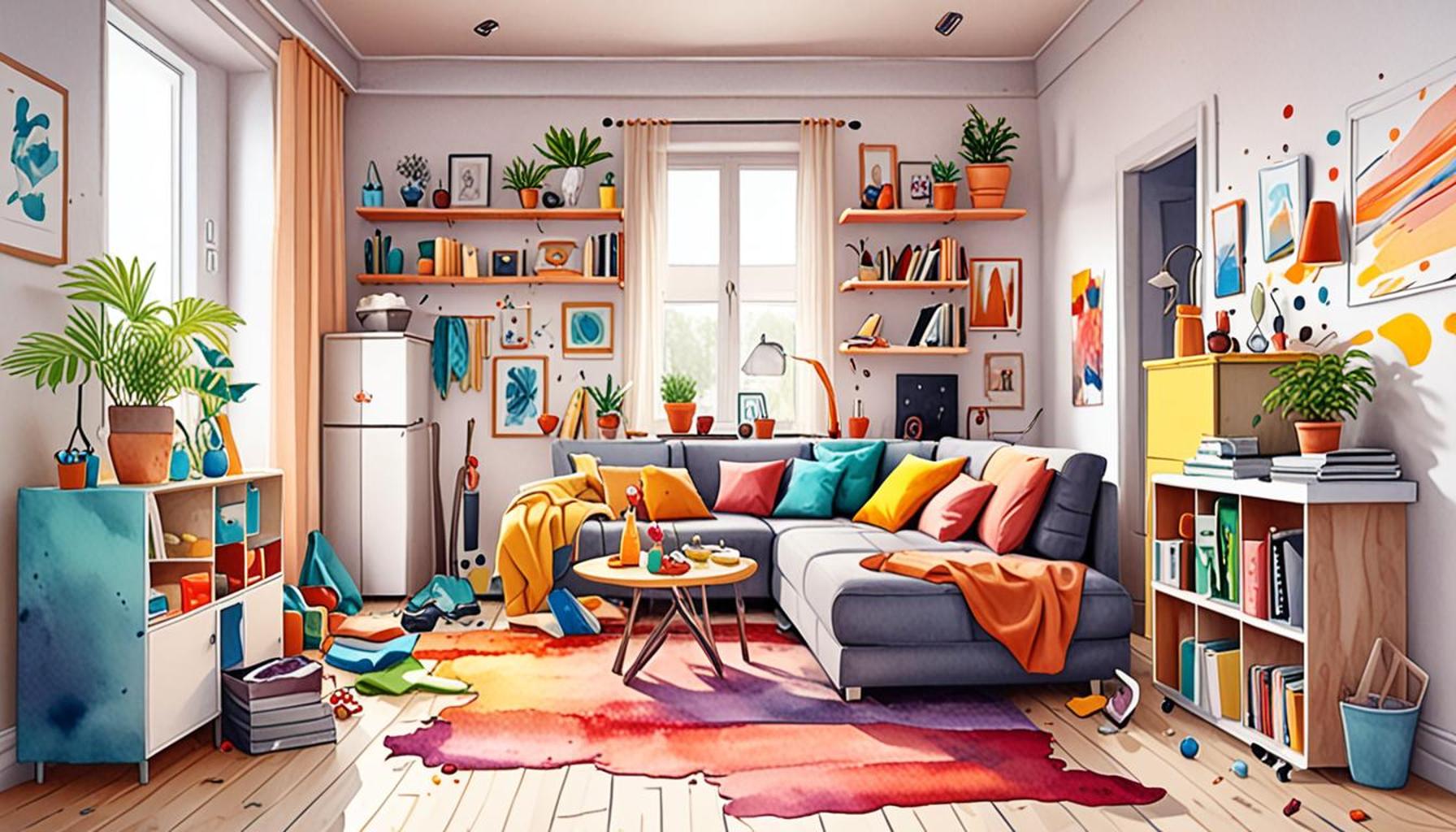
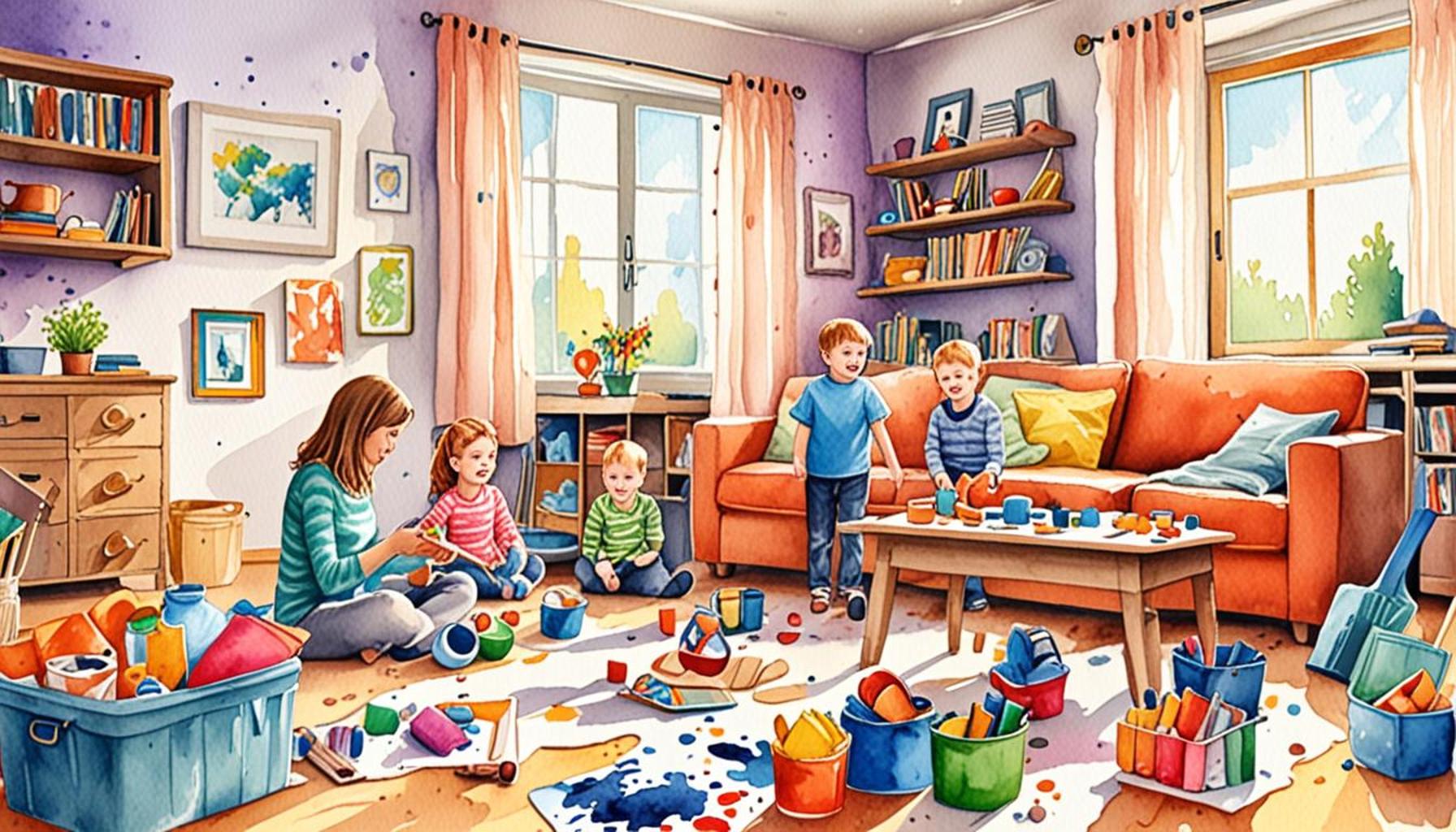
Living in an environment filled with clutter can profoundly affect our mental well-being, leading to a range of emotional responses that we may not immediately recognize. According to recent research, the presence of visible disorder in our surroundings can trigger feelings of anxiety, stress, and even depression. This relationship between our physical space and mental health is critical to understand for developing a healthier mindset and a more serene existence.
How Clutter Affects Our Minds
Clutter operates not just as a physical barrier but also as a mental one. Here’s how:
- Increased stress levels: A chaotic environment can create a perpetual sense of overwhelm. Research published in the journal *Personality and Social Psychology Bulletin* found that individuals in cluttered environments reported higher levels of stress and lower overall life satisfaction. For example, navigating a disorganized workspace may lead to a sense of frustration as tasks become difficult to manage.
- Difficulty focusing: The distractions that clutter breeds can severely hinder productivity. When there are too many visual stimuli, the brain struggles to focus on the task at hand. This is especially relevant in the age of remote work, where individuals may find their home offices littered with distractions from household items, making it harder to concentrate on work responsibilities.
- Emotional fatigue: Living amidst disorganization can drain one’s emotional resources. The mental toll of constantly navigating through disarray creates an exhausting cycle, leaving individuals feeling depleted. Research highlighted by the American Psychological Association shows that chronic stress related to a cluttered environment can lead to feelings of helplessness and fatigue, further exacerbating mental health issues.
Strategies for Managing Clutter
While the consequences of clutter can seem daunting, there are effective strategies designed to combat its negative effects. Here are a few practical steps you can take:
- Decluttering sessions: Schedule regular decluttering sessions to systematically organize your space. Start small—perhaps tackling one room at a time or even one area within a room. Consider using the “four-box method,” where you sort items into categories: keep, donate, trash, and relocate. Such targeted actions can lead to substantial changes in your environment.
- Establishing habits: Develop daily routines that incorporate tidying up. Simple habits such as making your bed every morning or doing a quick five-minute tidy-up before bed can prevent clutter from accumulating and becoming overwhelming.
- Mindful consumption: Be intentional about what you bring into your home. This approach not only minimizes future clutter but also fosters a sense of ownership over your possessions. Consider the “one-in-one-out” rule; for every new item you bring into your space, consider letting go of an old one.
By implementing these strategies, you can cultivate a more serene and inviting environment, which allows your mind the freedom to flourish. Beyond mere organization, the next sections will delve deeper into the psychological effects of clutter, providing tailored strategies to promote mental clarity and overall well-being. Understanding these elements is the first step towards reclaiming not just your space but also your peace of mind.
DISCOVER MORE: Click here to enhance your home organization

The Psychological Toll of Clutter on Mental Well-Being
Clutter is not merely a physical nuisance; it is a complex psychological burden that can lead to significant mental distress. In our fast-paced lives, we often overlook how our surroundings impact our emotional state. Studies reveal that an excess of items—be it piles of paperwork, unwashed dishes, or accumulated belongings—can evoke feelings of overwhelm and disorganization, triggering detrimental effects on mental health.
Understanding the Connection Between Clutter and Mental Health
Research indicates that clutter can directly influence our mood and cognitive functions. Here are some key aspects to consider:
- Visual distractions: Overabundance of items creates a chaotic visual environment that can distract the brain. A study conducted by the Princeton University Neuroscience Institute revealed that environments cluttered with overwhelming sensory stimuli can impair your ability to focus. This is particularly concerning for students and professionals who depend on concentration to excel in tasks.
- Procrastination triggers: Clutter may promote a sense of defeat, sometimes leading to procrastination. When surrounded by disorder, individuals may feel an inability to take action or make decisions, which can perpetuate feelings of inadequacy. This cycle can result in both anxiety and diminished self-esteem, contributing to a precarious emotional state.
- Physical health repercussions: The consequences of clutter extend beyond mental health, impacting physical health as well. A disorganized living space is often associated with increased stress levels, which can lead to health-related issues such as poor sleep, headaches, and a weakened immune response. A cluttered environment can exacerbate stress, making it harder for individuals to unwind both mentally and physically.
Promoting a Clutter-Free Mindset
Though the effects of clutter can seem overwhelming, various strategies can contribute to reducing disorder and enhancing mental clarity. Implementing practical methods can foster a more positive atmosphere conducive to mental health and overall well-being:
- Start with a plan: Create a decluttering strategy by breaking the task down into smaller, manageable parts. For instance, designate specific areas to focus on for short periods each day, reducing the feeling of being suddenly faced with an insurmountable chore.
- Incorporate regular maintenance: Set aside dedicated time for maintenance each week, whether it’s organizing a drawer or tidying a living area. Consistency in these small efforts helps prevent clutter from resurfacing.
- Stay mindful about your belongings: Adopting a minimalist approach can simplify the process of decluttering. Before acquiring new items, reflect on their purpose and necessity, thereby minimizing future accumulation and fostering mindfulness in consumption habits.
By acknowledging the psychological implications of clutter and actively working towards an organized environment, individuals can enhance their mental health and create a space that nurtures both serenity and productivity. In upcoming sections, we will explore more targeted psychological strategies for overcoming clutter and the profound benefits of a minimalist lifestyle.
Understanding the Impact of Clutter on Mental Well-being
Clutter not only represents physical disorganization but also manifests in our mental state, leading to various psychological effects. Research indicates that living in cluttered environments can heighten feelings of stress and anxiety. This correlation is particularly prominent among individuals sensitive to their surroundings, as visual chaos can trigger a sense of being overwhelmed. A 2021 study published in the *Journal of Environmental Psychology* revealed that individuals in cluttered spaces displayed elevated cortisol levels, a hormone associated with stress. Moreover, clutter can impede one’s ability to focus and concentrate. The constant visual distractions can lead to difficulties in processing information, thereby hindering productivity. In many cases, individuals may find themselves spending excessive time searching for items buried under disorganization, further exacerbating frustration and reducing overall efficiency.
Effective Strategies to Combat Disorder
Taking actionable steps toward reducing clutter can profoundly impact mental health. Here are several effective strategies:1. Decluttering Sessions: Regularly schedule sessions where you consciously sort through belongings. This can be done weekly or monthly to prevent accumulation.2. The Four-Box Method: Create four boxes labeled keep, donate, trash, and relocate. This method forces you to make decisions about items more effectively.3. Mindfulness Practices: Incorporating mindfulness techniques can aid in overcoming attachment to items that are no longer needed. Engaging in reflection about the emotional ties to clutter can provide clearer insights.4. Establishing Zoning: Designate specific areas for different activities or categories of items. For instance, keep work-related materials in a defined workspace and personal items in another.5. Utilizing Storage Solutions: Invest in organizing supplies such as bins, shelves, and containers designed to minimize visible clutter. This can create an overall calmer environment.By implementing these strategies, individuals can take significant strides toward reducing disorder, thus improving their mental health and overall quality of life. The journey to decluttering is not only about creating physical space but also about cultivating a more serene and manageable mental landscape.
| Category | Details |
|---|---|
| Psychological Effects | Clutter can increase stress and anxiety levels. |
| Focus and Productivity | Clutter can hinder concentration and efficiency. |
| Decluttering Strategies | Employ methods like the four-box technique for effective organization. |
These insights illustrate not only the connection between clutter and mental health but also empower individuals to take control of their environments.
DISCOVER MORE: Click here to learn about the art of minimalism</p
Building a Healthier Environment through Decluttering
In the pursuit of a balanced life, tackling clutter is vital for fostering a healthier mental environment. As discussed, the impact of clutter extends beyond the visual chaos; it can undermine mental clarity, hinder productivity, and even strain interpersonal relationships. Recognizing these effects opens the door to actionable strategies that can lead to tangible improvements in mental well-being.
The Emotional Benefits of a Clear Space
An organized space is not just visually appealing; it also has profound emotional benefits. A study published in the journal Personality and Social Psychology Bulletin revealed that individuals living in cluttered environments report higher levels of stress and anxiety compared to those in more organized settings. This is particularly important for individuals who work from home, as a disorganized workspace can lead to distractions and decreased motivation.
Moreover, decluttering can enhance a sense of control over one’s surroundings. When individuals take charge of their environment, they often experience a boost in confidence that spills over into other areas of life. This newfound control can lead to improved decision-making skills and a stronger sense of self-efficacy, providing a foundation for further personal development.
Strategies for Emotional Release through Decluttering
Letting go of items can also serve as a therapeutic process, fostering emotional release. Here are several strategies to instill emotional balance while decluttering:
- Embrace the “one-year rule”: Ask yourself if you have used an item in the past year. If not, it may be time to bid farewell. This approach not only helps reduce clutter but can also lighten emotional ties to belongings that no longer serve a purpose.
- Create a designated “donation zone”: Keep a space in your home for items that you no longer need but are still in good condition. This encourages mindful decluttering and gives your items a second life through charitable donations, which can provide emotional rewards through giving.
- Visualize the end goal: As you begin the decluttering process, take a moment to visualize what a tidy space means for your mental health. Envisioning a peaceful, organized environment can motivate you to take actionable steps towards that reality.
Connecting with Others for Support
In the journey towards decluttering, enlisting the support of friends or family can significantly enhance motivation. Studies show that social support can improve mental resilience, especially during challenging tasks like decluttering. Consider hosting a decluttering party, where friends help each other sort through possessions while enjoying camaraderie. This approach not only makes the process more enjoyable but also transforms a solitary task into a community effort.
For those who find the act of decluttering emotionally taxing or overwhelming, professional organizers or therapists specialized in hoarding and organization can offer insight and guidance. These professionals understand the psychological impact of possessions and can provide tailored strategies for individuals struggling to let go.
Through intentional decluttering and engaging support systems, individuals can reclaim their living spaces as sanctuaries for mental well-being. The journey to clearer spaces encompasses both the physical and emotional realms, leading to a comprehensive enhancement of mental health and resilience.
DISCOVER MORE: Click here to learn about living with intention</
Conclusion: Embracing Clarity for Mental Well-Being
In summary, the relationship between clutter and mental health is profound and complex. Our living spaces are more than mere physical environments; they significantly influence our emotional well-being and daily functioning. The evidence supporting the detrimental effects of clutter on stress levels, focus, and relationships is compelling. When we declutter, we not only clear our physical space but also pave the way for mental clarity and emotional resilience.
Implementing strategies such as the “one-year rule”, establishing donation zones, and visualizing an organized environment can ease the process of decluttering while boosting mental health. Additionally, enlisting support from friends, family, or professionals can transform this often overwhelming task into a collaborative effort, leading to greater success and motivation. The rewarding feelings that come from an organized home can serve as a catalyst for personal growth, enhanced productivity, and healthier relationships.
As we reflect on our environments and their impacts on our mental states, it becomes clear that making a conscious effort to reduce disorder is not merely an act of cleanliness but a step toward a more fulfilled life. In pursuit of mental wellness, it is essential to reassess what we choose to keep in our spaces and to remember that a tidy environment fosters peace, productivity, and emotional strength. Ultimately, embracing simplicity can lead to a brighter, more balanced existence.