Mastering Detachment How Minimalism Reduces Daily Stress

In a world overflowing with material possessions and constant distractions, the quest for tranquility seems increasingly elusive. The practice of minimalism offers a refreshing solution, promoting the idea that less is more, both physically and mentally. This lifestyle not only advocates for a decluttered living space but also encourages a clearer mindset, making it an essential tool for stress reduction.
Adopting a minimalist approach can lead to significant benefits, such as:
- Improved focus: Fewer distractions allow for greater concentration.
- Enhanced well-being: A simpler life promotes mental clarity and emotional balance.
- Financial freedom: Less spending on unnecessary items frees up resources for what truly matters.
As we delve deeper into the intersection of minimalism and personal organization, we will explore the Top 5 ways that mastering the art of detachment can lead to a more peaceful existence. Prepare to uncover practical tips and insights that can transform your life and help you embrace simplicity.
Top 5 Ways Minimalism Can Reduce Daily Stress: The Art of Letting Go
In the modern age, life can often feel like an endless whirlwind of tasks, obligations, and consumerism, leading to increased levels of stress. Embracing minimalism offers a refreshing alternative—a way to ground oneself amidst the chaos. Minimalism is not just about reducing physical clutter; it’s a holistic lifestyle choice that impacts various facets of existence, leading to profound stress reduction. This article delves into the top five ways minimalism can significantly alleviate daily stress, exploring these strategies in descending order of impact.
5. Emphasizing Quality Over Quantity
At the heart of minimalism lies the principle of choosing quality over quantity, which applies to everything from physical possessions to experiences and relationships. By downsizing the number of items we own, we develop a deeper appreciation for each piece, enhancing their perceived value. Imagine a wardrobe filled not with countless fashion items, but with a few select, high-quality garments—this not only streamlines the process of getting dressed but also reduces decision-making stress.

This philosophy extends beyond material possessions to experiences and relationships. By investing our time in fewer but more meaningful interactions and activities, we conserve emotional and mental energy. This focused investment celebrates and amplifies the moments that truly matter, contributing to an overarching sense of fulfillment and reducing the mental clutter that often drives stress.
4. Simplifying Decision-Making
Decision fatigue is a prevalent source of stress in today’s fast-paced world. By eliminating excessive choices, minimalism fosters an environment where decisions are simplified. For instance, a minimalist kitchen that contains only essential tools makes meal preparation faster and less daunting, preventing the common dilemma of “what’s for dinner?” Similarly, a decluttered workspace enhances focus and productivity, diminishing the anxiety tied to decision-making overload.
Practical Applications of Simplification
- Clothing: Develop a capsule wardrobe with versatile pieces that can be mixed and matched effortlessly.
- Meal Planning: Opt for simple and nutritious recipes requiring minimal ingredients.
- Activities: Rather than spreading yourself thin, choose a few hobbies to pursue with depth and passion.
This reduction in choices can alleviate stress and create a more enjoyable, streamlined daily routine.
3. Creating a Calming Environment
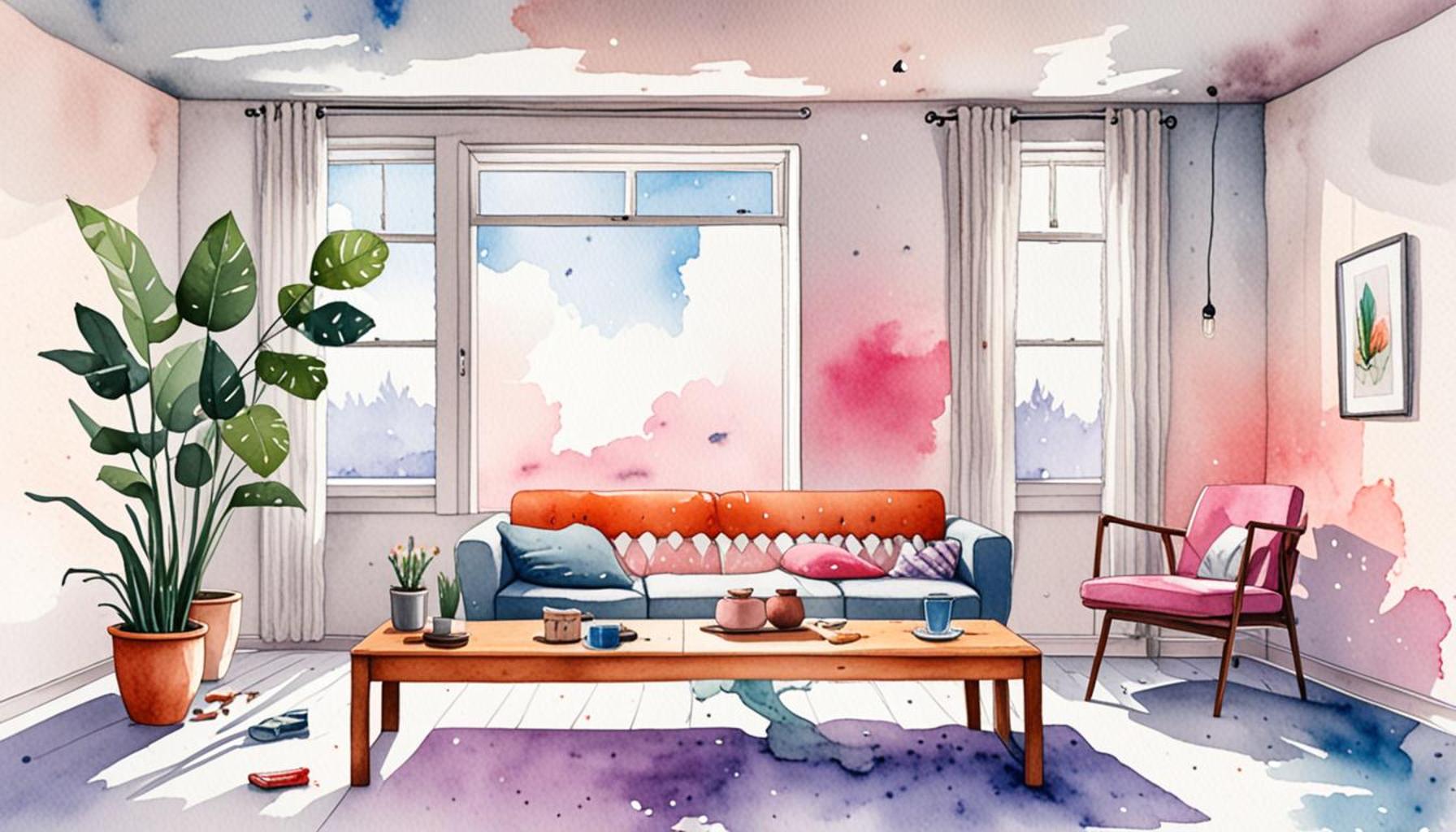
Our physical surroundings are powerful determinants of our mental states. Minimalism underscores the creation of spaces characterized by clean lines, open layouts, and reduced distractions, fostering a calming environment. Such settings can significantly diminish feelings of overwhelm and stress.
Strategies for a Minimalist Environment
- Space Optimization: Remove unnecessary furniture and clutter to enhance spatial openness.
- Natural Elements: Integrate plants and natural materials to introduce tranquility.
- Color Schemes: Employ a neutral color palette to amplify serenity and calm.
A well-organized, peaceful environment nurtures mindfulness and provides a sanctuary where one can recharge, making the challenges of the day feel less daunting.
2. Fostering a Mindful Lifestyle
Minimalism encourages living with intention and mindfulness by emphasizing conscious decisions about what to retain and what to relinquish. This method reduces distractions, allowing a deeper connection to the present moment and fostering engagement in our daily activities. Whether enjoying a simple meal, cherishing moments with loved ones, or savoring a breath of fresh air, mindfulness can be heightened by minimalistic practices.
Embracing Mindfulness Through Minimalism
- Digital Minimalism: Limit device and social media use to clear mental clutter and enhance focus.
- Mindful Consumption: Be intentional about acquisitions, choosing items that sincerely resonate with personal values.
- Gratitude Practices: Regularly reflect on life’s positive aspects, nurturing a mindset of appreciation.
This lifestyle fosters peace and cultivates a response-oriented, rather than reactionary, approach to life’s stressors.
1. Empowering Personal Growth Through Letting Go
Minimalism transcends the notion of merely offloading material clutter; it centers around the profound freedom that comes with letting go. By releasing attachments to non-essential goods and emotional burdens, individuals open pathways for personal growth and self-discovery. The empowerment derived from this liberation significantly diminishes stress as the weight of possessions and associated maintenance is lightened.
The Journey of Letting Go
Letting go challenges us to prioritize our life’s essentials, focusing on those aspects that truly nurture our emotional and mental well-being. This mindset shift promotes deeper introspection and personal fulfillment, fostering resilience against stress. Minimalism aligns closely with practices of decluttering not just our homes, but our minds and habits, offering clarity and space for growth.
In conclusion, minimalism is a transformative practice with the potential to greatly reduce daily stress. By valuing quality over quantity, simplifying decisions, creating calming environments, fostering mindfulness, and embracing personal growth, one embarks on a path towards a more balanced and harmonious life. The art of letting go empowers individuals to live with clarity and intent, deepening their appreciation of life’s genuine joys and reducing the noise and stress of modern living. Dive into this simplicity-rich lifestyle and discover the liberating and stress-reducing benefits it brings.
| Category | Description |
|---|---|
| Emotional Clarity | Minimalism fosters a more organized environment, which can greatly enhance mental clarity. A clutter-free space allows for better focus and less distraction, giving one room to think clearly and make decisions without the chaos of excess. |
| Financial Freedom | Adopting a minimalist lifestyle often leads to reduced spending habits. By prioritizing what is truly necessary and valuable, one can save money and reduce financial stress, leading to a sense of security and peace. |
| Increased Productivity | A minimalist approach can streamline daily tasks and workflows. Fewer belongings mean less maintenance and more time to invest in activities that truly matter, spurring creativity and efficiency. |
| Enhanced Lifestyle Quality | Minimalism encourages individuals to focus on experiences rather than possessions. This shift can lead to richer relationships and improved well-being, as one invests time in meaningful moments rather than accumulating things. |
Frequently Asked Questions about Minimizing Stress with Minimalism
What is minimalism and how can it help reduce daily stress?
Minimalism is a lifestyle choice that prioritizes what’s essential, shedding excess possessions, and commitments. By adopting minimalism, individuals can experience less clutter, which often leads to a reduction in stress and anxiety. The chaos of everyday life tends to be amplified by unnecessary possessions and tasks; thus, clearing away the non-essential brings clarity and peace of mind.
Is minimalism purely about getting rid of physical items?
While a significant aspect of minimalism involves decluttering physical spaces, it’s also about mental and emotional simplicity. This means streamlining commitments, digital spaces, and relationships to focus on what truly matters. By reducing obligations and distractions, minimalism supports a calmer, more focused lifestyle.
Are there any psychological benefits to embracing a minimalist lifestyle?
Research suggests that minimizing possessions can lead to improvements in mental well-being. Clearing physical space can create a sense of relief and accomplishment, contributing to an overall increase in happiness and decrease in anxiety. It aids in enhancing focus and decision-making, allowing individuals to live their lives more intentionally and mindfully.
Can minimalism impact my financial situation positively?
Absolutely! By embracing minimalism, individuals often find themselves spending less on unnecessary items, which can result in significant financial savings. This more mindful approach to consumption not only eases financial burdens but also fosters gratitude for what one already possesses.
How do I start incorporating minimalism into my lifestyle?
Begin by assessing what is truly necessary for your life and start decluttering one area at a time, whether it’s a room, a desk, or even your schedule. Ask yourself if each item or commitment adds value to your life. Through this process, you can gradually adapt to a lifestyle that promotes serenity and intentionality.
The Art of Letting Go: How Minimalism Can Reduce Daily Stress
In today’s fast-paced world, adopting a minimalist lifestyle can be transformational. By focusing on what truly matters and eliminating excess, individuals can foster a sense of calm and clarity. Minimalism not only aids in reducing daily stress but also enhances personal organization. Clutter, whether physical or mental, can often be the root of stress, and minimalism offers a pathway to simplify our lives. As the article explored, the first step is recognizing the emotional and psychological burdens of clutter. This acknowledgment sets the stage for meaningful change.
The journey towards minimalism involves a conscious effort to question the value of our possessions and their impact on our well-being. Embracing this philosophy encourages a more disciplined approach to consumption, ultimately leading to more intentional living. Minimalism is not about deprivation but about making space for what truly enriches life. The importance of establishing priorities cannot be overstated.
Moreover, the practice of letting go extends beyond mere objects and infiltrates our schedules, habits, and relationships, creating an environment where personal growth and peace can flourish. Adopting minimalism is a continuous process of self-reflection, recalibration, and adaptation to changing needs.
In conclusion, while minimalism may seem daunting at first, its benefits are far-reaching. It serves as an antidote to the modern ailment of excess, offering instead a life characterized by purpose and tranquility. This approach ultimately leads not just to reduced stress, but to a more enriched life overall. Readers are encouraged to delve deeper into the philosophy of minimalism and incorporate its principles to create a sustainable and fulfilling lifestyle.