Maximizing Small Spaces: Space Optimization Strategies for Urban Environments

Maximizing Your Urban Oasis
Living in densely populated urban environments often means grappling with limited living space. As cities continue to expand and attract more residents, the necessity to utilize every inch of available space effectively becomes paramount. This is particularly true in vibrant metropolises like New York City, where the average apartment size can be a mere 700 square feet, or in San Francisco, noted for its charming but compact studios. However, the challenge of compact living can be met with innovative solutions that convert your small space into a comfortable and functional home.
Implementing certain space optimization strategies can significantly alter your urban living experience. Here are a few effective techniques to consider:
- Multi-functional furniture: The modern consumer should look for furniture that serves multiple functions. For example, a sofa bed provides seating during the day and can easily convert into a sleeping area overnight. Similarly, a coffee table with built-in storage compartments can house books, remote controls, or even seasonal items, keeping your living area tidy.
- Vertical storage: When floor space is limited, think vertically. Wall-mounted shelves or cabinets can create more storage options without encroaching on valuable walkable areas. Opting for tall and slim storage solutions, such as bookcases that reach the ceiling, allows for more items to be kept within easy reach without sacrificing square footage.
- Decluttering: An integral part of compact living is maintaining a clutter-free environment. Take time to regularly assess your possessions. Tools like Marie Kondo’s famous “spark joy” method encourage you to hold each item and determine if it adds value to your life. Simplifying your belongings not only frees up physical space but can also contribute to mental clarity.
The emphasis on these strategies is particularly relevant, as statistics reveal that over 80% of the U.S. population now resides in urban environments. As a result, understanding and implementing effective space management techniques has become crucial for enhancing the urban living experience.
By adopting these practices, individuals can not only maximize their living areas but also enrich their overall quality of life within these compact spaces. Throughout this article, readers will discover innovative solutions, explore inspiring real-life examples, and gather valuable tips aimed at transforming small living environments into practical yet welcoming homes. With a little creativity and strategic thinking, urban dwellers can truly unlock the potential of compact living.
DISCOVER MORE: Click here to learn how minimalism can impact your well-being

Smart Design Choices for Compact Living
Utilizing space in urban environments effectively requires intentional design choices that go beyond mere aesthetics. The challenge lies not just in fitting furniture into a room, but in creating harmoniously functional areas that meet all the inhabitants’ needs. With a few tactful adjustments and strategic applications of design principles, however, small spaces can be transformed into comfortable and chic homes.
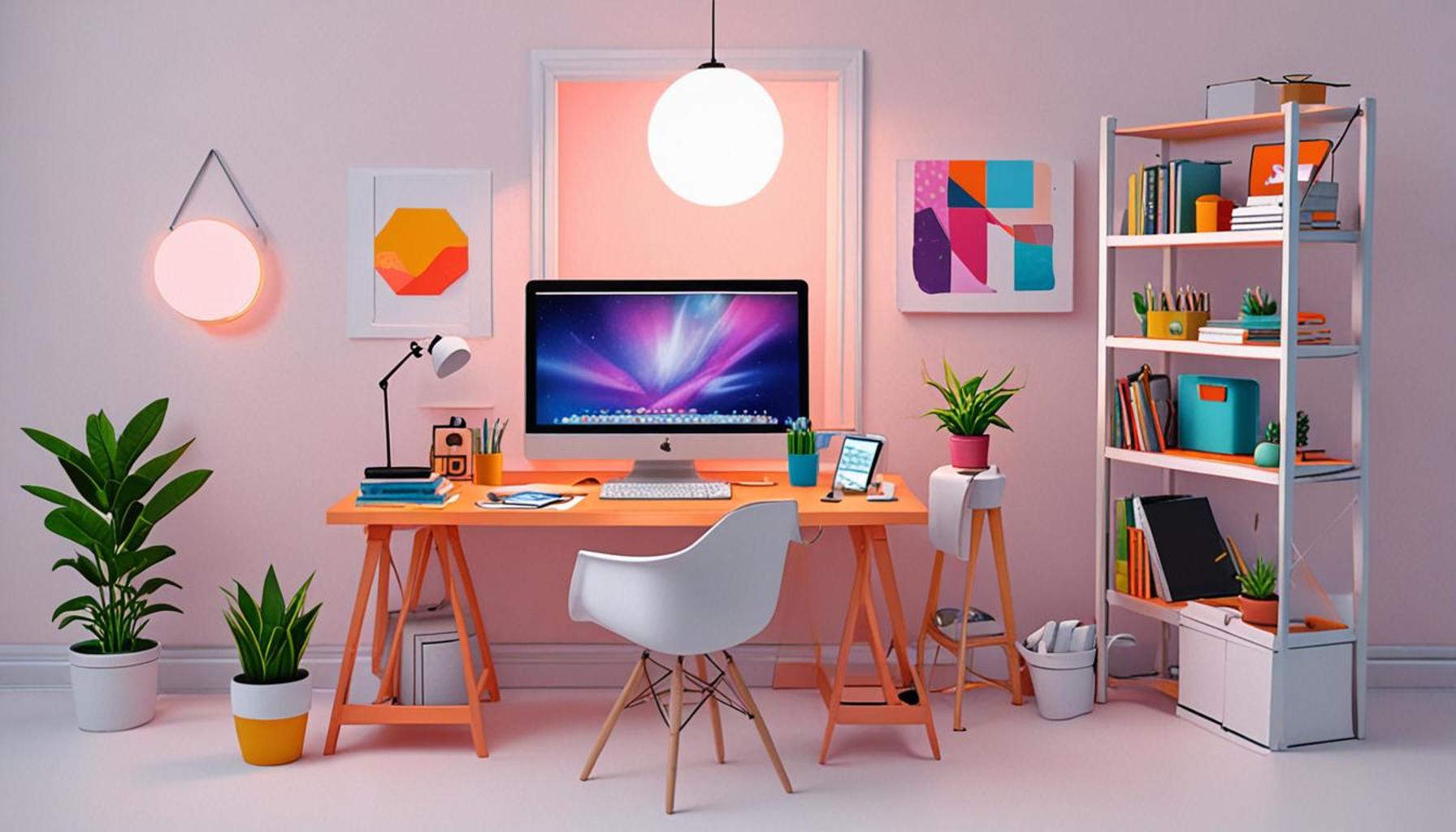
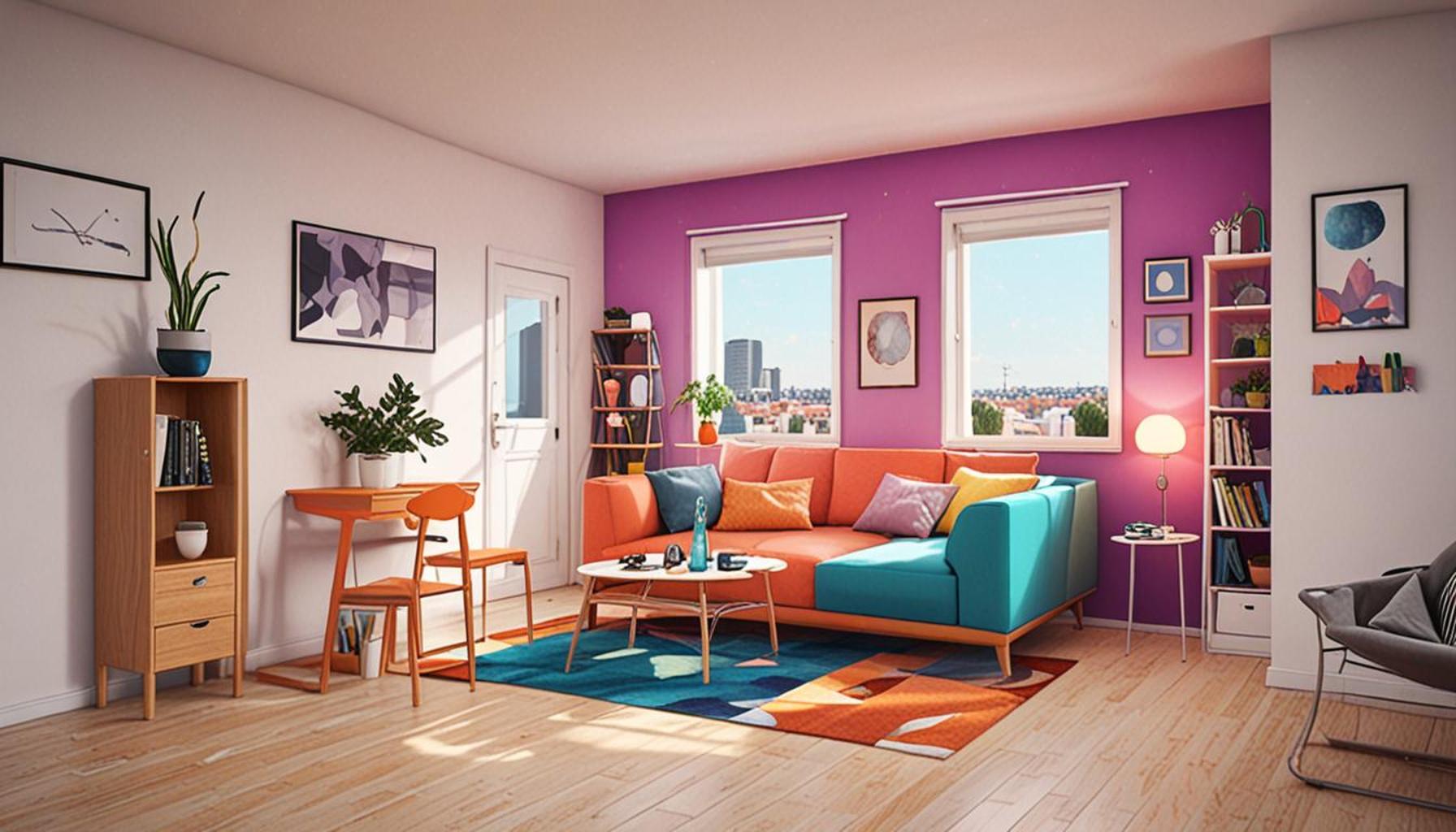
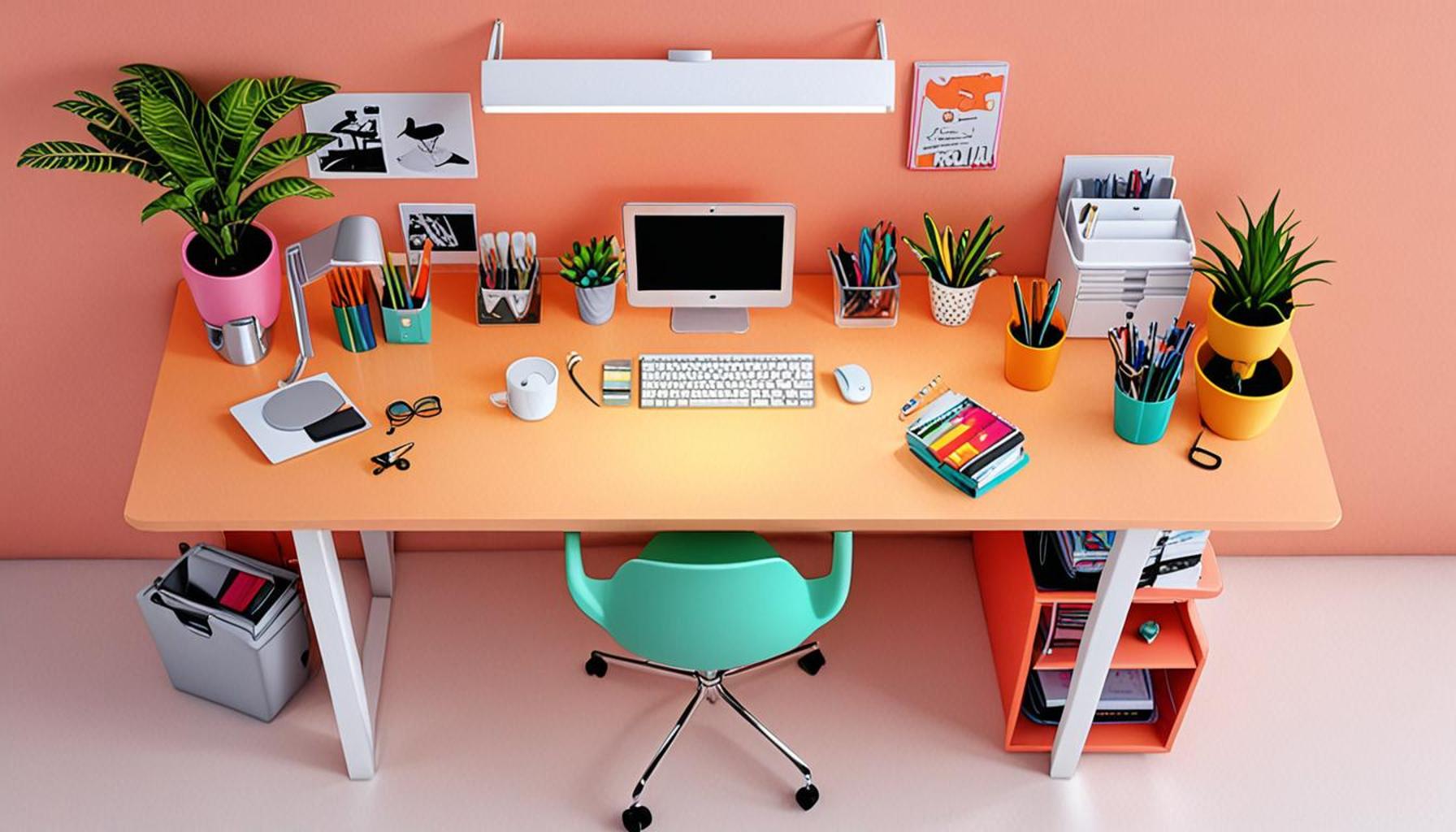
One of the most effective methods to optimize space is through zoning. Zoning creates distinct areas within a small area that serve different purposes, even in an open-plan layout. Utilizing area rugs can help define spaces. For instance, a soft rug can demarcate a living area from the kitchen. If you have a studio apartment, consider creating a small nook for work by incorporating a well-placed desk and proper lighting in a corner. This can enhance functionality without overwhelming the visual flow of the room.
In implementing zoning strategies, it is crucial to consider the importance of lighting. Natural light can give the illusion of a larger space; therefore, using sheer curtains or reflective surfaces can maximize light entry. Layered lighting solutions, including ambient, task, and accent lights, can make a space feel more inviting and visually appealing, creating a sense of depth rather than confinement.
Storage Solutions that Shine
When it comes to maximizing small spaces, storage solutions are a game-changer. A central principle of space optimization is finding ways to keep belongings organized without taking up precious floor space. Below are several innovative storage ideas that can be seamlessly integrated into your living space:
- Under-bed storage: Utilize the space under your bed with storage bins or drawers. This often-overlooked area can house everything from shoes to seasonal clothing, making it a clamor-free sanctuary.
- Hanging storage: Consider using hooks, pegboards, or over-the-door organizers to store items that would typically occupy valuable surface space. Things like kitchen utensils, bags, or accessories can all be effectively stored while remaining easily accessible.
- Custom-built shelves: Custom shelves tailored to your needs can optimize wall space even further. Floating shelves are a trendy option that allows for decor, books, or even plants to be stored conveniently and stylishly.
As urban living trends continue to grow, awareness and accessibility of space enhancement options become increasingly important. Cities like Seattle and Chicago are filled with innovative designs showcasing how small living can be both efficient and enjoyable. By exploring various storage methods and utilizing smart design principles, urban dwellers can unlock the full potential of their compact homes, making them not just livable but truly delightful.
| Space-Saving Techniques | Impact on Urban Living |
|---|---|
| Multi-Functional Furniture | Maximizes usability in tight quarters, adapting to various needs. |
| Vertical Solutions | Utilizes wall space effectively, freeing up floor areas for movement. |
| Decluttering Strategies | Encourages minimalism, allowing residents to focus on essential items. |
| Lighting Optimization | Creates an illusion of space, enhancing the ambiance of small living areas. |
In urban environments, where space is a premium, leveraging space-saving techniques can significantly enhance living conditions. For instance, adopting multi-functional furniture allows residents to maximize usability in tight quarters, effectively adapting to their needs through clever design. Similarly, implementing vertical solutions is essential; by utilizing wall space effectively, urban dwellers can free up floor areas, promoting movement and interaction. Emphasizing decluttering strategies encourages a minimalist lifestyle, enabling residents to focus on essential items, thereby reducing stress and enhancing quality of life. Moreover, focusing on lighting optimization can create an illusion of space and enhance the ambiance within small living areas, making them feel larger and more inviting. Exploring these strategies not only provides tangible benefits but also enriches daily experiences in urban living. As cities continue to grow, understanding and applying these optimization strategies can transform small living spaces into functional sanctuaries.
DISCOVER MORE: Click here to learn about reducing stress through minimalism</p
Multifunctional Furniture: The Key to Flexibility
In the realm of urban living, where every square foot counts, multifunctional furniture emerges as a hero. This ingenious approach not only saves space but also enhances the adaptability of interiors, allowing for dynamic use of areas without sacrificing style or comfort. Furniture that serves more than one purpose reframes the way we think about our pieces and can dramatically expand usability.
Consider a sofa bed that transitions seamlessly from a stylish seating area by day to a cozy sleeping space by night. This product is especially valuable in studio apartments or small guest rooms where accommodating guests can be a challenge. Similarly, an extendable dining table can effortlessly transition from an everyday workstation to a gathering spot during dinner parties, maximizing both function and social interaction in limited square footage.
Beyond just seating and tables, multifunctional pieces can include ottomans that serve as both seating and storage, or benches that double as display areas for decorative items or books. The rise of modular furniture systems gives residents the ability to customize their layouts according to their needs, proving that flexibility is a fundamental aspect of maximizing small spaces.
The Power of Mirrors and Color
Another strategy to elevate small spaces lies in the use of mirrors and effective color choices. Mirrors can create an illusion of depth, making a compact living environment appear more expansive. Strategically placing mirrors across from windows or in corners can reflect light beautifully, amplifying the brightness of a space. This can be particularly impactful in urban settings where natural light may not always be abundant.
Complementing the reflective surfaces, color choice plays a vital role in expressing a sense of spaciousness. Light colors tend to open up rooms, while darker shades can create a cozy appeal but may also feel constricting when used in excess. Choosing a cohesive color palette throughout the space contributes to a seamless design that feels expansive rather than disjointed. Accent walls can introduce depth without overwhelming the room and can even serve as a backdrop for unique decor items.
Vertical Optimization: Building Upward
When floor area is at a premium, vertical optimization becomes a prudent strategy. Taking advantage of vertical wall space can yield significant benefits and is becoming increasingly popular among urban dwellers. Tall bookshelves, vertical gardens, and wall-mounted storage can free up floors while offering essential storage and style.
Additionally, think about using your walls for decor that adds functionality. A wall-mounted workspace can convert any space into an office nook, while decorative wall hooks can be both functional and visually appealing. Organizing by utilizing vertical space allows for much-needed breathing room on the floor, facilitating movement and keeping a tidy environment.
By integrating these strategies into design plans, urban residents can foster a sense of openness and efficiency, transforming small spaces into areas that inspire relaxation and creativity. Maximizing small spaces through thoughtful design, multifunctional furniture, the clever use of mirrors and color, and vertical enhancements can lead to unprecedented levels of livability and satisfaction in densely populated areas. As urban populations continue to grow, so too does the need for innovative space optimization solutions that align with contemporary lifestyles.
DISCOVER MORE: Click here for smart organization tips
Conclusion: Embracing Innovation in Urban Living
As urban environments continue to evolve, the challenge of maximizing small spaces requires a blend of creativity, functionality, and innovation. Utilizing multifunctional furniture not only optimizes available square footage but also introduces flexibility that caters to diverse lifestyles. Strategies such as incorporating mirrors and thoughtful color choices create an inviting atmosphere while providing the illusion of a larger space. Furthermore, vertical optimization harnesses often-overlooked wall areas, allowing city dwellers to add both style and storage to their homes without encroaching on precious floor space.
Each of these approaches demonstrates the importance of intentional design in urban living. From studio apartments in New York City to compact condos in Los Angeles, the principles of space optimization transcend geographical boundaries. As more individuals and families navigate the complexities of city life, understanding and implementing these strategies becomes essential for enhancing quality of life and maximizing comfort in smaller settings.
Moreover, the rise of smart home technology complements these strategies by offering innovative ways to manage space efficiently. Consider investigating digital tools that provide personalized recommendations for layout and furniture options, ultimately transforming even the tiniest of urban dwellings into well-functioning sanctuaries.
In conclusion, the journey towards mastering small space living is not merely about making do with less; it is about embracing the possibilities offered by our environments. Armed with the right ideas and tools, residents can unlock new dimensions of living, turning constraints into opportunities for creativity and inspiration.