
Minimalism and Stress Reduction: How Organizing Your Space Can Increase Your Time Efficiency
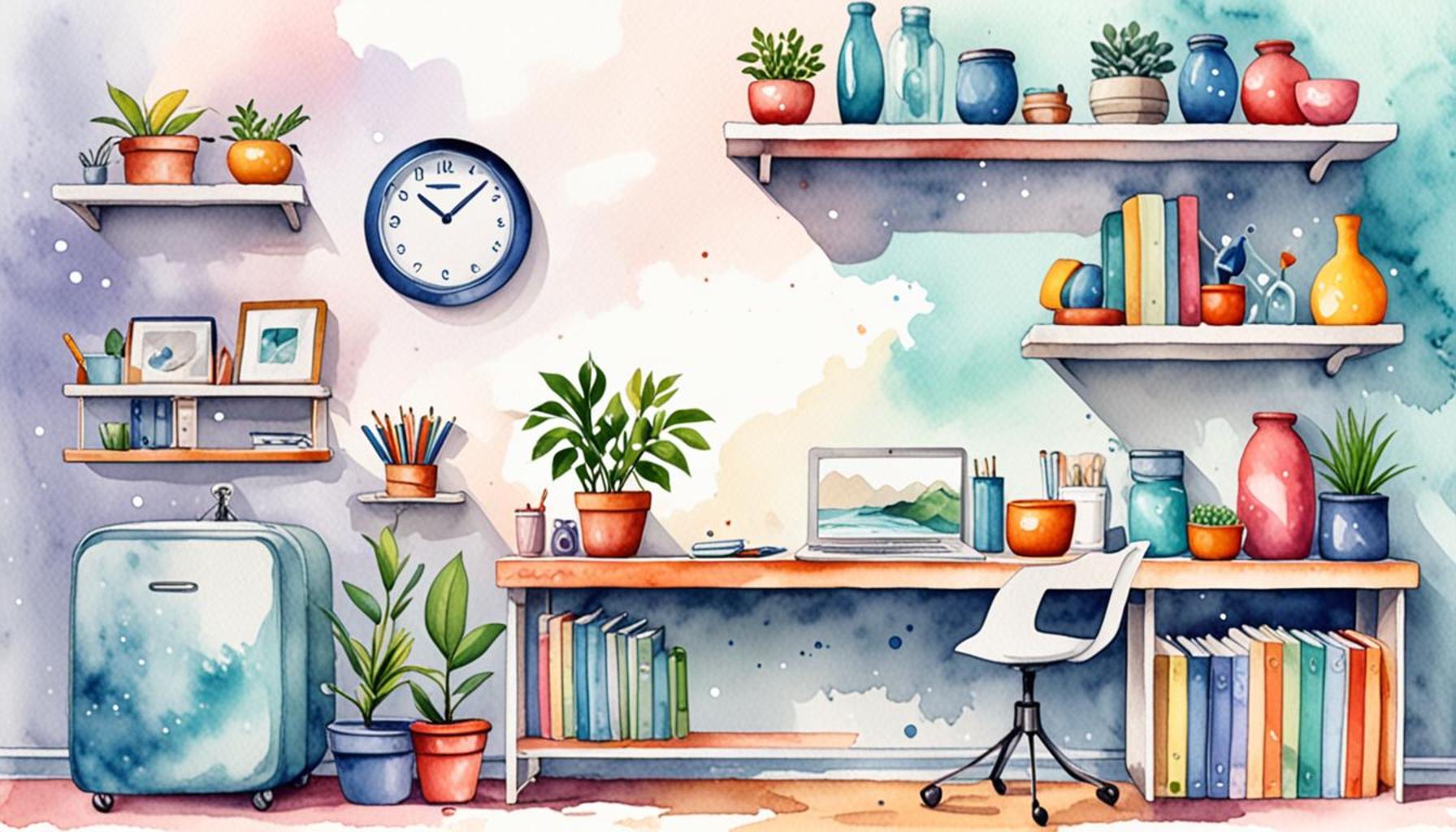
Embracing Minimalism for Mental Clarity
In a fast-paced world, clutter can stifle our productivity and increase stress levels. Minimalism is more than just an aesthetic choice; it is a purposeful lifestyle that promotes stress reduction through organization. By simplifying our surroundings, we can unlock profound benefits that extend beyond a tidy space.
The Benefits of Organizing Your Space
Consider the following advantages of adopting a minimalist approach:
- Increased Focus: A clear environment enhances your ability to concentrate. When your space is free from distractions, you are able to engage fully in tasks, whether they are work-related or personal projects. For example, studies show that students who study in uncluttered environments perform better on exams, as their focus is directed towards learning rather than the chaos around them.
- Time Efficiency: Spending less time searching for items means more time for what matters. In a survey conducted among American professionals, nearly 60% reported that they waste time daily looking for misplaced items, which translates to significant productivity losses. When you implement a minimalist approach, finding your keys or important documents becomes second nature.
- Reduced Anxiety: A decluttered space fosters a sense of calm and control. This is particularly important in high-stress environments, such as urban areas in the United States, where the hustle and bustle can contribute to feelings of overwhelm. By cultivating a minimalistic environment, many have reported feeling centered and more at ease, finding peace amidst the chaos of everyday life.
Research indicates that people who maintain organized spaces often experience less mental fatigue. A study published in the Journal of Environmental Psychology found that individuals who reside in clutter-free environments reported lower levels of stress and anxiety, leading to increased emotional well-being. Moreover, adopting minimalism can lead to improved decision-making skills, as it minimizes distractions and enhances clarity.
Transforming Your Environment
Implementing organization techniques can be surprisingly simple. Here are some starting points:
- Declutter regularly to prevent the accumulation of unnecessary items. Establish a routine, perhaps every season, to go through your possessions and donate or recycle things you no longer use.
- Group similar items together for ease of access. For instance, regardless of how large your bathroom may be, organizing toiletries by type can save time during your morning routine.
- Create designated spaces for essential items to streamline your routine. This could mean designating a specific shelf for shoes or a drawer for important paperwork, helping you avoid last-minute scrambles.
With each step toward minimalism, you pave the way for not just a neater home, but also a more efficient, less stressful life. The transformative journey of decluttering is not just about creating a visually appealing space; it significantly contributes to mental clarity and emotional well-being. Engaging in this lifestyle invites you to explore what is truly important, allowing you to focus on activities and experiences that enrich your life. As you journey into minimalism, take a moment to appreciate the profound impact these changes can have, both physically and mentally.

DISCOVER MORE: Click here to learn about transforming small spaces
Finding Freedom Through Minimalism
As we navigate the daily demands of life, our physical environments often reflect the mental clutter we carry. Embracing a minimalist lifestyle can free us from this burden, offering not just solace but also a pathway to greater productivity. Minimalism is not solely about reducing belongings; it’s about cultivating a mindset that values simplicity and clarity. As we start to reclaim our spaces, we inevitably begin to reclaim our time and, by extension, our peace of mind.
Understanding the Link between Clutter and Stress
Research reveals a compelling connection between our environments and our mental states. A study conducted by the Princeton University Neuroscience Institute highlighted how clutter can impede our ability to focus and process information. Their findings indicate that too many visual stimuli can lead to decreased productivity and increased feelings of being overwhelmed. As we learn to organize our spaces, we create an atmosphere that supports mental clarity, allowing us to direct our energies towards what truly matters.
Moreover, maintaining an organized space can have a profound impact on our emotional well-being. In a survey conducted by the National Association of Professional Organizers, 84% of participants reported feeling less stressed and overwhelmed when their homes were organized. The relief from chaos is not just a fleeting emotion; it becomes a sustainable aspect of our lives, contributing to long-term mental health.
Practical Strategies for Organizing Your Space
Transforming your environment doesn’t require a complete overhaul overnight. Instead, embracing a series of small, actionable changes can lead to a significant reduction in stress. Here are some practical strategies to get started:
- Set Clear Goals: Determine what minimalism means for you. Is it organizing a specific room, reducing the number of items you own, or implementing new storage solutions? Establishing clear objectives can provide direction and motivation.
- Prioritize Areas with High Impact: Focus your efforts on spaces that cause the most frustration. For many Americans, this includes bedrooms and home office areas—designating these as top priorities can enhance your daily routine.
- Develop a System for Incoming Items: Create a method for managing new items that enter your home, such as a “one in, one out” policy. This ensures that your space remains clutter-free, making it easier to find what you need without the stress of disorganization.
- Incorporate Mindfulness Practices: While decluttering, engage in mindfulness practices to stay present. This not only aids in the decision-making process about what to keep or discard but also helps maintain a calm and focused mindset throughout the task.
As we step into the minimalist lifestyle, we soon realize that each item we choose to keep carries significance. By organizing our spaces thoughtfully, we create a foundation not only for improved time efficiency but also for enhanced emotional health. The journey toward minimalism is a deeply personal one, but the universal benefits of clarity and peace are what bind us together in this pursuit.
| Advantage | Description |
|---|---|
| Enhanced Focus | A decluttered environment eliminates distractions, allowing for deeper concentration and productivity. |
| Improved Mental Clarity | Minimalism promotes a sense of calm, reducing anxiety and stress, which aids in clearer and more effective decision-making. |
In the realm of minimalism, understanding how your physical spaces can impact your mental state is crucial. By fostering an environment that is streamlined and orderly, you effectively create a backdrop conducive to increased efficiency. According to various studies, an organized space not only allows for enhanced focus but also offers individuals a more manageable workload. When you eliminate unnecessary items, your mind can clear itself of the clutter, promoting improved mental clarity. This is particularly important in today’s fast-paced world where distractions are omnipresent. The benefits of minimalism extend beyond just the aesthetic; they dive deep into the psychological realm, resulting in lower stress levels and heightened cognitive functions. Explore the powerful synergy between a tidy environment and increased productivity. The more you immerse yourself in organizing your space, the greater the possibility to cultivate a more organized life, which can ultimately lead to notable improvements in time efficiency and personal peace.
DIVE DEEPER: Click here for more insights</p
Creating a Sanctuary for Focus and Efficiency
The pursuit of minimalism is not merely an aesthetic choice; it is a profound strategy for elevating time efficiency and diminishing stress. As you embark on this journey, the way you curate your physical environment can significantly reshape your daily experiences. A well-organized space affords you the opportunity to channel your energy into your tasks with fewer distractions, ultimately leading to increased productivity and a healthier mindset.
The Importance of Functional Spaces
Designing spaces that cater to specific functions is a hallmark of minimalism. Each area of your home should serve a unique purpose, which directly correlates to how you navigate through your daily routine. According to the American Psychological Association, environments that are organized and purposeful can facilitate higher productivity levels. For example, a designated workspace devoid of unnecessary items can lead to fewer distractions, enabling you to enter a state of deep focus, also known as “flow”. This state not only boosts efficiency but also enhances the quality of your output.
Furthermore, creating functional spaces helps streamline your activities. By incorporating storage solutions and eliminating surplus items, you can minimize the time spent searching for things. A study from University of California, Los Angeles (UCLA) found that individuals spend an average of 55 minutes a day looking for misplaced items. This staggering figure highlights the need for a thoughtfully organized environment to prevent wasted time and frustration.
Incorporating Technology for Enhanced Organization
Modern minimalism also embraces technology as a tool for improved organization. Digital decluttering, which involves organizing and managing digital spaces such as emails, files, and photos, is just as crucial as physical decluttering. A survey from the National CleanOut Day revealed that 46% of respondents felt overwhelmed by their digital clutter, which often affects their ability to focus. By using apps and software designed for organization—such as to-do lists, digital storage solutions, or project management tools—you can significantly improve your digital space, leading to decreased stress.
- Utilize Cloud Storage: Streamline your documents and photos using services like Google Drive or Dropbox. This not only frees up physical space but also allows for easy access and sharing from anywhere, saving you time in the long run.
- Employ Task Management Apps: Implement an application like Trello or Asana to keep track of tasks and projects. These platforms encourage organization and facilitate collaboration, making it easier to juggle responsibilities efficiently.
- Schedule Regular Digital Check-ins: Establish intervals to routinely assess and declutter your digital spaces, just as you would for your physical environment. This prevents accumulation and promotes ongoing efficiency.
Embracing technology as a component of your minimalistic strategy not only organizes your physical environment but also creates a holistic approach to reducing stress. As you streamline both your physical and digital domains, you create a “sanctuary” where you can focus on what truly matters, freeing up time for creativity, relationships, and self-care.
Discovering Joy in Simplicity
One compelling aspect of minimalism is the psychological impact of surrounding ourselves with only those items that bring us joy. The famous tidying expert Marie Kondo famously states that our spaces should only hold “things that spark joy.” Creating an environment filled with meaningful items fosters an emotional connection, promoting a sense of satisfaction and peace. As you engage in this process, you become more selective and intentional, which further reduces stress and enhances your overall quality of life.
As the clutter dissipates and you refine your environment, you may find yourself naturally gravitating toward activities that foster connection, creativity, and productivity. This shift in focus can create a positive feedback loop, reinforcing your commitment to both minimalism and stress reduction.
DIVE DEEPER: Click here to uncover effective strategies
Embracing Minimalism for a Balanced Life
In an increasingly chaotic world, the principles of minimalism serve as a beacon for those seeking both stress reduction and enhanced time efficiency. By intentionally curating our environments—both physical and digital—we create spaces that not only breathe serenity but also foster productivity. As highlighted in various studies, a clutter-free environment and well-organized spaces significantly contribute to higher efficiency and lower stress levels.
Through the thoughtful arrangement of our homes and workplaces, we benefit from the psychological advantages that minimalism offers, allowing us to focus so that we can dive into tasks with clarity and purpose. Moreover, incorporating technology into our organizational strategies—whether through task management apps or digital decluttering—can further streamline our processes and alleviate the mental load associated with disorganization.
Ultimately, minimalism is more than just an aesthetic choice; it is a transformative lifestyle that empowers individuals to reclaim their time and mental wellbeing. By surrounding ourselves with only what is essential and joyful, we unlock the potential to prioritize creativity, relationships, and personal growth. As you embark on your minimalistic journey, remember that simplicity can lead to profound fulfillment; thus, every small step toward a more organized life can pave the way for significant improvements in both your productivity and emotional health. Dive into the world of minimalism and discover how a serene environment can truly enhance your everyday existence.