
Minimalist Organization in Family Life: Strategies to Reduce Conflicts and Domestic Stress
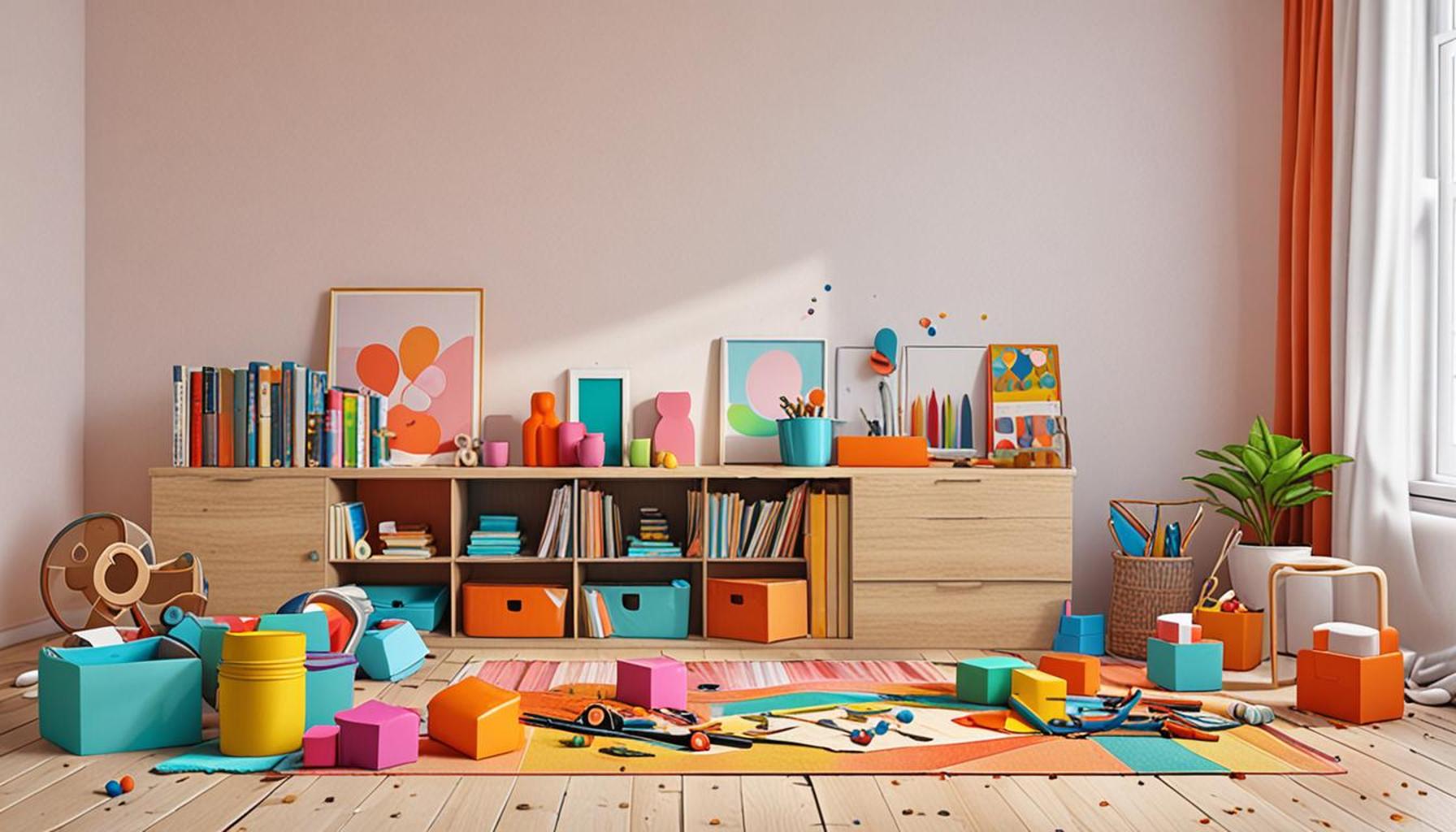
The Role of Minimalism in Creating a Peaceful Home
In today’s fast-paced world, family life can often feel chaotic and overwhelming. Conflicts and domestic stress frequently arise from clutter and disorganization, draining the energy of family members and straining relationships. However, embracing a minimalist approach to organization can pave the way for a more peaceful home environment.
Minimalist organization focuses on simplifying both physical and mental spaces. This approach encourages families to:
- Declutter: Removing unnecessary items can significantly reduce visual chaos. For example, consider how often toys scatter the living room or how stacks of paperwork invade the dining table. By sorting through these items, families can create designated spaces, making it easier to find what they need and enhancing overall functionality.
- Prioritize: Identifying essential belongings and responsibilities helps align the family’s actions with their core values. A family might choose to prioritize experiences over material items, such as opting for a camping trip instead of buying the latest electronics. This shift not only fosters a closer bond but also cultivates lasting memories.
- Communicate: Fostering open discussions about needs and concerns can significantly reduce misunderstandings. Regular family meetings can serve as a platform for everyone to voice opinions, share feelings, and address potential conflicts before they escalate.
Implementing these strategies can lead to significant improvements in family dynamics. Research shows that a well-organized space can enhance mental clarity and increase emotional well-being. Additionally, studies have indicated that individuals who live in minimalist environments report lower stress levels and greater satisfaction in their lives. By reducing distractions, family members can focus more on each other and less on the clutter around them.
Furthermore, minimalist living encourages quality time and shared experiences rather than allowing material possessions to dominate family interactions. For instance, a family that chooses to spend a technology-free day at a park can engage in meaningful conversations, playing games, or simply enjoying nature without the interruptions of everyday life.
In this article, we will explore effective strategies for minimalism in family life that aim to reduce conflicts and domestic stress. These approaches encourage families to intentionally create a nurturing atmosphere where everyone can thrive, fostering a sense of togetherness and understanding. By adopting these methods, you can cultivate a serene household that thrives on clear communication and a shared vision.

As you embark on your minimalism journey, remember that the goal isn’t merely to eliminate items but to create a harmonious space where family members can connect on deeper levels while enjoying a simplified existence. Whether you live in a bustling city or a serene suburb, the principles of minimalism can guide you toward a lifestyle that celebrates clarity, connection, and peace.
DIVE DEEPER: Click here to discover more about living simply
Effective Strategies for Embracing Minimalist Living
Implementing minimalist organization within family life requires a thoughtful approach that integrates various strategies to cultivate harmony and reduce domestic stress. By adopting specific practices, families can shift their mindset from accumulation to appreciation, thereby fostering a nurturing environment that values connection. Here are some effective strategies to consider:
- Establish a Decluttering Routine: Set aside regular intervals, such as monthly or seasonally, to assess belongings. Encourage each family member to participate by evaluating their items, asking questions like “Do I truly need this?” or “Does this bring me joy?” This practice not only promotes a sense of responsibility but also instills a habit of mindfulness when it comes to consumption.
- Create Functional Spaces: Designate specific areas for different activities within the home. For instance, establish a clear workspace for homework and chores, a quiet corner for reading, and a communal area for family gatherings. Having functional zones helps reinforce the idea that each space has a purpose, which can minimize distractions and improve focus.
- Limit Incoming Items: Be proactive about controlling what comes into the home. This can mean implementing a policy of “one in, one out,” where for every new item brought in, an old item must be donated or discarded. This strategy not only curtails clutter but also reinforces the importance of valuing what you already own.
- Streamline Family Activities: Simplify family life by prioritizing a smaller number of meaningful activities. Instead of overcommitting to various events, select a few that resonate with the family’s interests and values. This could include a weekly game night, outdoor adventures, or volunteering together. By focusing on quality experiences, families can strengthen their bonds while reducing stress associated with overcrowded schedules.
Moreover, the act of decluttering and organizing can serve as a therapeutic outlet for many family members. Studies indicate that physical surroundings play a crucial role in our mental health; therefore, a simplified and orderly environment can lead to heightened productivity and emotional resilience. As family dynamics evolve, this minimalistic perspective encourages individuals to engage more authentically with one another, ultimately reducing misunderstandings and conflicts.
The journey towards minimalist living is not merely about reducing possessions but also about simplifying commitments and interactions. Families can benefit tremendously when they focus on nurturing relationships over accumulating things. As they embrace a minimalist mindset, members will likely find themselves rediscovering the value of spending quality time together, free from the distractions that clutter often brings.
As we delve deeper into the practical implications of minimalist organization, it becomes evident that embodying these strategies can help families cultivate both peace and productivity in their daily lives. Stay tuned as we explore additional techniques that enhance communication and foster a supportive, minimalist-oriented atmosphere.
Effective Strategies for Minimalist Organization in Family Life
In the quest to cultivate a harmonious home environment, embracing minimalist organization can yield significant benefits. This approach not only simplifies physical spaces but also fosters emotional clarity and enhances communication among family members. Here, we delve into practical strategies that can alleviate conflicts and reduce domestic stress.
1. Declutter Together
Involving every family member in the decluttering process can instill a sense of ownership and responsibility. Schedule a family decluttering day where everyone assesses their belongings and decides what to keep, donate, or discard. This collaborative effort not only clears out excess items but also opens up discussions about personal attachment to belongings, helping to reduce future conflicts over possessions.
2. Establish Designated Spaces
Create specific areas for different activities within the home, such as reading corners, creative zones, or study areas. When everyone knows where items belong and has designated spaces for their activities, chaos is minimized, and domestic tranquility is promoted. Use labels and bins to assist younger family members in understanding where things go, encouraging them to participate in maintaining organization.
3. Prioritize Family Values
Incorporate family values into organizational decisions. For instance, if family time is important, prioritize open spaces that facilitate gatherings over items that clutter those spaces. By steering your organizational efforts toward enhancing shared values, you naturally align family goals with the state of your living environment, reducing stress and reinforcing harmony.
4. Implement a Family Calendar
A centralized family calendar can play a pivotal role in minimizing conflicts. By keeping track of everyone’s activities, appointments, and commitments, misunderstandings can be significantly reduced. Use digital tools to enable real-time updates and reminders, ensuring that all family members stay informed and organized. This practice can transform logistics from a source of stress into a well-managed aspect of family life.
5. Embrace Technology Wisely
Technology can serve as a powerful ally in achieving minimalism and organization. Utilize apps designed for task management and organization that cater to family needs. From shopping lists to chore reminders, these tools can streamline family processes, lessen the burden of memory, and promote cooperation among family members. However, it’s essential to strike a balance, ensuring technology aids rather than exacerbates clutter.
By instituting these strategies, families can cultivate an organized, peaceful living environment that fosters conflict resolution and harmony. Embracing minimalism is more than aesthetics; it is about creating a functional space that aligns with family priorities, forging deeper connections while alleviating stress. Explore these organizational methods and watch as your home transforms into a sanctuary of calm and cooperation.
| Category | Advantages |
|---|---|
| Decluttering | Fosters teamwork and ownership among family members. |
| Designated Spaces | Minimizes chaos and clarifies where items belong, promoting responsibility. |
| Family Calendar | Reduces misunderstandings by keeping everyone informed and organized. |
| Use of Technology | Streamlines tasks and enhances family cooperation. |
DISCOVER MORE: Click here to learn effective decluttering strategies
Enhancing Communication Through Minimalist Practices
Effective communication is fundamental to minimizing conflicts within a family unit, and adopting minimalist strategies can significantly enhance how family members interact. By creating an environment that fosters transparent dialogue, families can pave the way for understanding and cooperation.
- Adopt Regular Family Meetings: Schedule weekly or bi-weekly family meetings to provide a platform for discussing upcoming events, managing schedules, and airing concerns. These meetings can be brief yet structured, allowing each member a chance to share updates or feelings. Establishing a dedicated time for open discussion reduces misunderstandings and cultivates a sense of unity, enabling families to work collectively towards shared goals.
- Encourage Expression Through Simplicity: In a minimalist environment, the emphasis on less clutter extends to emotional expression. Encourage family members to articulate their feelings plainly and directly, avoiding the need for complex explanations or defensive posturing. Teaching children to express their needs or frustrations in clear terms fosters emotional intelligence while also minimizing potential conflicts that arise from miscommunication.
- Utilize Visual Management Tools: Simplifying communication can also involve implementing visual aids such as calendars, charts, or even simple sticky notes. These tools can serve as reminders for tasks and appointments, helping everyone remain aligned on family responsibilities. An accessible visual layout reduces the cognitive load and stress associated with remembering multiple commitments, leading to fewer arguments regarding tasks left undone.
- Practice Active Listening: Minimalism also encompasses the reduction of distractions during conversations. Encourage family members to practice active listening—giving full attention to the speaker, asking clarifying questions, and affirming their understanding. When individuals feel heard, they are less likely to escalate small issues into larger conflicts.
Furthermore, as families engage in these minimalist communication practices, they may find that the emotional landscape within the household becomes less turbulent. When discussions center less around what is not working and more on collaborative problem-solving, the collective mindset shifts toward constructive interaction. For example, parents may discover that children are more open to sharing their daily challenges when the atmosphere is non-threatening and uncomplicated. The simplicity—both in language and in structure—creates a safe harbor for honest expression.
Interestingly, the mental clarity that arises from minimalist organization extends beyond material possessions. The efforts to streamline communication influence family dynamics and relationships in profound ways. For instance, as families prioritize meaningful conversations, they might naturally gravitate toward shared experiences that deepen emotional connection, such as cooking a meal together or participating in community activities.
The positive impact of minimalist communication flows into other facets of family life, reinforcing the significance of respect and understanding while diffusing tension-filled interactions. By investing time in improving communication through these minimalist practices, families enhance their ability to tackle challenges collaboratively, further solidifying their bonds.
As we further explore the realm of minimalist organization, it becomes clear that these strategies not only provide a roadmap to reduce domestic stress but also create a foundation for harmonious living that many families crave.
DISCOVER MORE: Click here to learn time-saving strategies
Conclusion: The Path to Tranquil Family Living
In an increasingly chaotic world, adopting minimalist organization in family life offers a transformative approach to nurturing a harmonious household. By simplifying not only physical spaces but also communication and emotional interactions, families can foster a nurturing environment that significantly reduces conflicts and domestic stress. The strategies outlined—from establishing regular family meetings to encouraging clear expression of feelings—serve as practical tools that cultivate understanding and cooperation among family members.
When families prioritize effective communication and actively reduce distractions, they pave the way for a culture of respect and empathy. The shift towards a minimalist lifestyle encourages both parents and children to engage more meaningfully with one another, nurturing emotional intelligence and collaboration. Such transformations are not solely confined to day-to-day interactions; they ripple through the fabric of family dynamics, enriching connections and creating memorable experiences together.
Ultimately, minimalism in family life is not just about decluttering possessions but also centers around fostering mindful interactions. As families embrace these strategies, they may find not only a reduction in domestic stress but also a profound journey towards deeper relationships, shared joys, and collective resilience in facing life’s challenges. For families seeking tranquility, the integration of minimalist organization practices could well be the cornerstone of a brighter, more connected future.