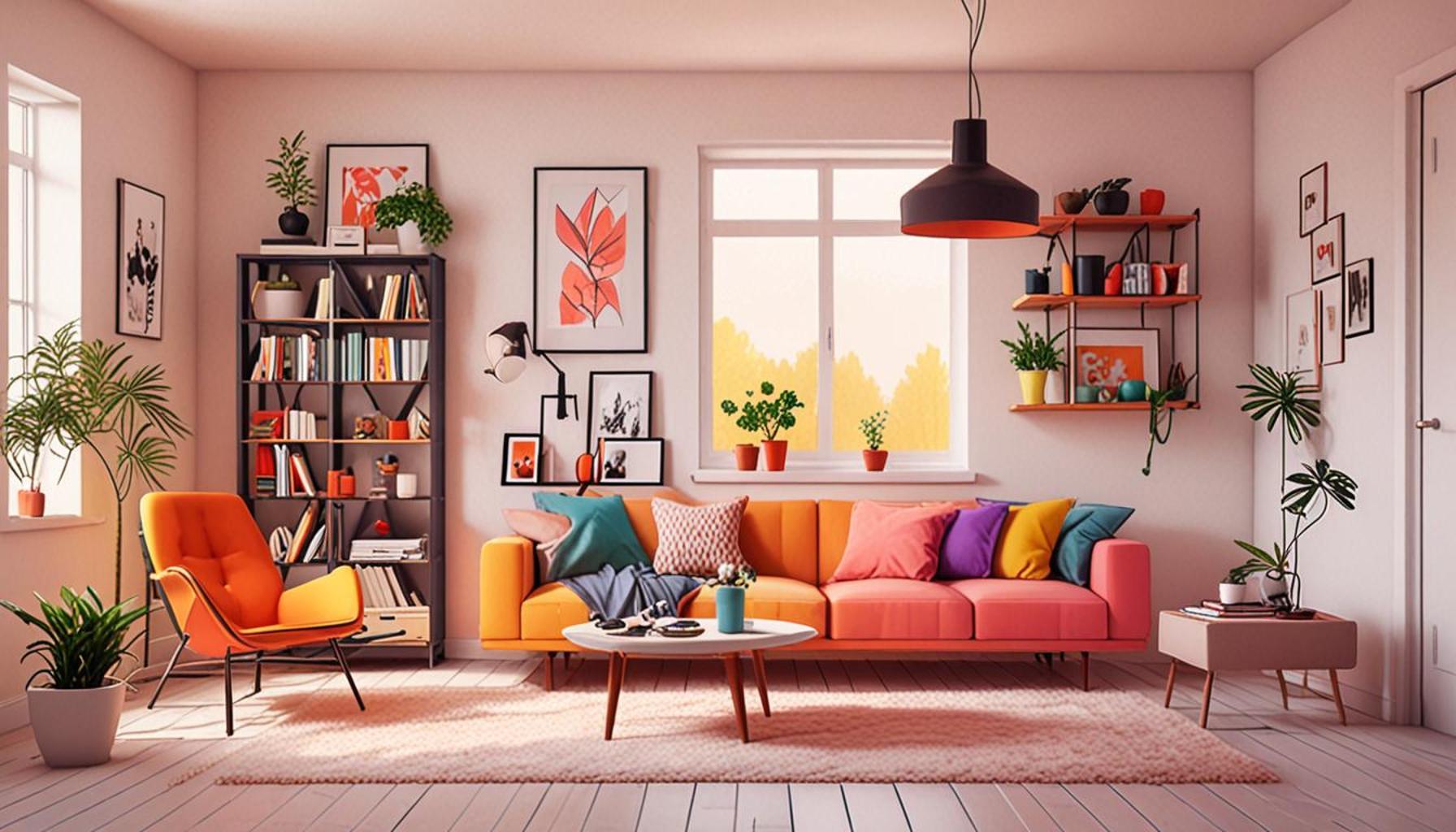
Nomadic Lifestyles: The Art of Optimizing Spaces in Travel and Temporary Accommodations
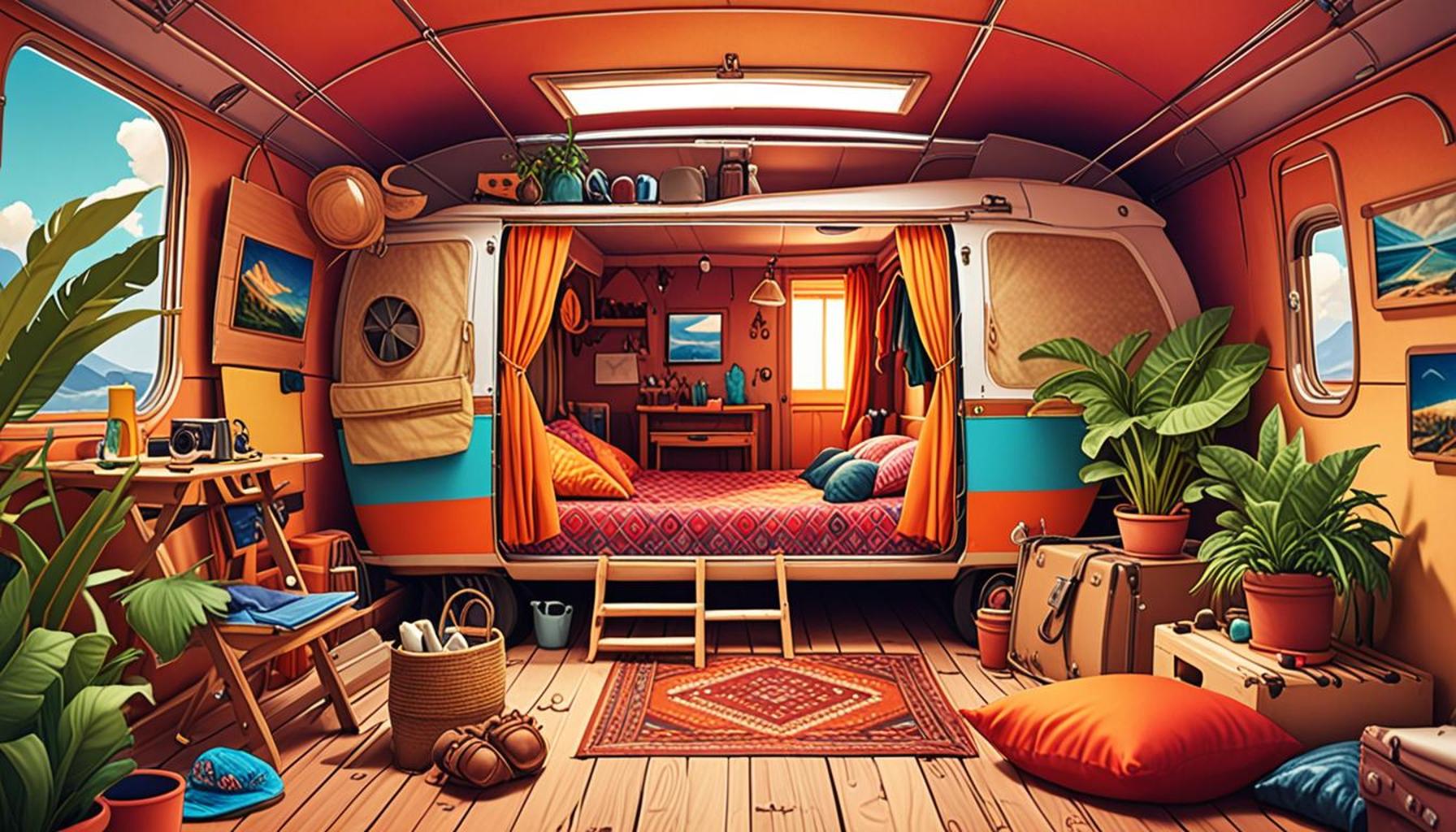
Exploring the Nomadic Life
In a world dominated by flexibility and adventure, embracing a nomadic lifestyle is becoming a compelling choice for many. As traditional nine-to-five jobs shift and remote work gains traction, travelers are continually seeking new ways to optimize their living spaces, particularly in temporary accommodations. From tiny homes to mobile living units, the art of effectively utilizing space has never been more relevant or rewarding.
Understanding the Essentials
Adaptability is key for anyone pursuing a nomadic lifestyle. The challenges of living on the move often compel individuals to get creative with their living arrangements. To enhance comfort and efficiency during travel, several features have emerged as essential:
- Multi-functional furniture: Many nomads invest in furniture that serves multiple purposes, such as chairs that can convert into beds or tables that can be collapsed into wall-mounted units. For instance, the popular Murphy bed allows users to conserve floor space in compact living arrangements, making it an ideal choice for those staying in small apartments or converted vans.
- Smart storage solutions: Innovation in storage is paramount. Utilizing vertical space, such as installing shelves above head height, as well as integrating hidden compartments within furniture, can maximize room and drastically reduce clutter. Popular brands like IKEA have designed products specifically aimed at optimizing limited spaces, appealing to the ever-growing community of minimalists and nomads alike.
- Portable technology: In this digital age, mobile devices and specialized apps play a crucial role in streamlining planning, navigation, and communication while on the go. Applications such as Wanderlog or Roadtrippers help nomads plan routes, find accommodations, and discover local attractions, making each journey less cumbersome and more enjoyable.
As remote work continues to rise and more individuals opt for a life of exploration, understanding how to create an inviting and functional living area is essential. Temporary accommodations now range from Airbnb rentals to converted vans and minimalist cabins. For example, nomads might choose to rent a cozy treehouse in the Pacific Northwest or stay in a sleek airstream parked along a scenic beach, blending comfort with adventure. Discovering methods to optimize these spaces can transform fleeting experiences into comfortable sanctuaries.
Challenge and Reward
However, the challenge of nomadic living lies in balancing minimalism with comfort. Striking the right balance ensures that individuals do not feel overly confined while integrating essential comforts that foster well-being. By recognizing the importance of efficient use of space and the creativity involved in temporary living, individuals can enjoy enriching experiences while traveling. The reward comes not only in the form of beautiful surroundings but also in the freedom to explore new cultures, cuisines, and communities.
Dive deeper into the innovative practices that make this lifestyle sustainable and appealing. Many nomads find joy not only in destinations but also in how they adapt to the spaces they inhabit, creating a unique tapestry of experiences that redefine what home means in the context of travel.
DISCOVER MORE: Click here to learn effective strategies
Embracing Minimalism in Mobile Living
As the trend of nomadic lifestyles continues to capture the imagination of many, it becomes clear that embracing minimalism is not simply a choice but often a necessity. In the face of space constraints, nomads are learning to appreciate the essence of living with less. This requires a profound shift in mindset about possessions and functionality. By prioritizing what truly matters, individuals can create dynamic living spaces that foster a sense of home, even when the address changes frequently.
The Philosophy of ‘Less is More’
The philosophy behind minimalism resonates deeply with nomadic travelers, who often find themselves in various temporary accommodations, from small mobile homes to rustic off-grid cabins. Such arrangements encourage individuals to pare down their belongings, selecting only the items that provide real utility or joy. Decluttering becomes a vital practice, reinforcing the idea that emotional attachment to material possessions should not impede freedom. As they adopt this philosophy, nomads discover that each journey becomes more impactful when focused on experiences rather than excess.
Tech-Enhanced Space Management
The digital age has ushered in a plethora of solutions to help individuals manage limited spaces effectively. The integration of technology into mobile living has transformed the way nomads approach their daily lives. Innovations like smart home devices and apps specifically designed for space optimization are changing the game. Here are a few ways technology promotes efficient space management:
- Digital inventory tracking: Utilizing apps to track and manage personal belongings allows nomads to keep essential items organized and accessible while eliminating unnecessary clutter.
- Energy management systems: Smart devices help monitor energy use in mobile homes, teaching users to conserve resources and make informed decisions about their consumption.
- Virtual design tools: Applications such as Roomstyler or SketchUp empower nomads to visualize how they can transform a space before committing to any permanent changes, optimizing functionality from the onset.
Ultimately, the intersection of minimalism and technology not only enhances comfort on the road but also fosters closer connections with the nomadic community. The mobile living experience thrives on shared ideas and solutions; networks of travelers often exchange practical tips on optimizing space and utility. The flexibility afforded by these resources contributes not just to a more organized lifestyle but also to a mindset that values exploration over accumulation.
The Quest for Sustainable Mobility
A critical aspect of the nomadic lifestyle involves understanding the impact of mobility on the environment. As more individuals embrace sustainable travel practices, there is a growing demand for eco-friendly accommodations. Nomads often seek out rentals that prioritize sustainable design, using local materials and minimizing energy consumption. Incorporating green practices into living arrangements—such as composting, rainwater collection, and solar energy—ensures that the journey enriches the planet rather than depletes it.
Exploring this balance between sustainability and short-term living promotes a sense of responsibility among modern nomads. As they navigate through diverse landscapes and cultures, they discover innovative ways to coexist with their environments, honoring the places they occupy, albeit temporarily. Thus, the art of optimizing living spaces transcends mere practicality; it encapsulates a broader commitment to preserving the world we all share.
| Advantages | Impacts on Travel |
|---|---|
| Flexibility in Living Arrangements | Allows travelers to adapt to diverse environments, thereby enhancing the travel experience. |
| Efficient Space Usage | Encourages minimalism, promoting a streamlined lifestyle which can lead to increased clarity and satisfaction. |
Travelers embracing nomadic lifestyles learn to utilize every square inch of their temporary accommodations. From foldable furniture to multifunctional spaces, each element plays a crucial role in maintaining comfort while maximizing functionality. Emphasizing efficient space usage not only transforms their living quarters but also encourages a minimalist approach, compelling individuals to focus on what truly matters during their journey. This strategy results in enhanced travel experiences and the potential for greater personal discovery.Moreover, the flexibility in living arrangements allows nomads to immerse themselves in various cultures and communities. Such adaptability opens doors to diverse experiences, making every temporary home an exciting opportunity for exploration. With advancements in temporary housing technologies, ensuring comfort and efficiency while traveling has never been easier. Embracing a nomadic lifestyle is not just about travel; it’s about rethinking our relationship with space and how it shapes our adventures.
DISCOVER MORE: Click here for time-saving strategies
Designing for Flexibility and Functionality
The essence of a nomadic lifestyle is not only about traveling from one place to another but also about the ability to adapt one’s living arrangements to varied environments. The key to optimizing living spaces lies in designing for both flexibility and functionality. As nomads traverse multiple locales, each with its unique characteristics, the furniture and layouts utilized must cater to a range of circumstances, ensuring maximum efficiency and comfort.
Modular Furniture Solutions
One of the most effective strategies for flexible living is investing in modular furniture. This approach allows nomads to rearrange and repurpose their possessions according to different living environments. For instance, sofa beds, foldable tables, and stackable chairs can dramatically change the flow and use of space based on the traveler’s immediate needs. Companies like Resource Furniture specialize in multi-functional furnishings that transform and adapt, catering to the spatial restrictions often found in temporary accommodations.
There are even custom solutions available for travelers who desire more personalized adaptations. For example, custom cabinetry designed for camper vans or tiny homes can offer optimized storage without compromising on style. By harnessing the potential of modular design, nomads can create varied spaces that mirror the diverse experiences of their travels.
Creating Versatile Outdoor Spaces
A nomadic lifestyle often includes an intimate connection with nature, thus making the optimization of outdoor living spaces equally crucial. Many nomads find joy in expanding their living quarters beyond the confines of their temporary housing, using outdoor areas for relaxation, work, or leisure. Portable outdoor furniture sets, hammocks, and pop-up privacy screens enhance the usability of these spaces.
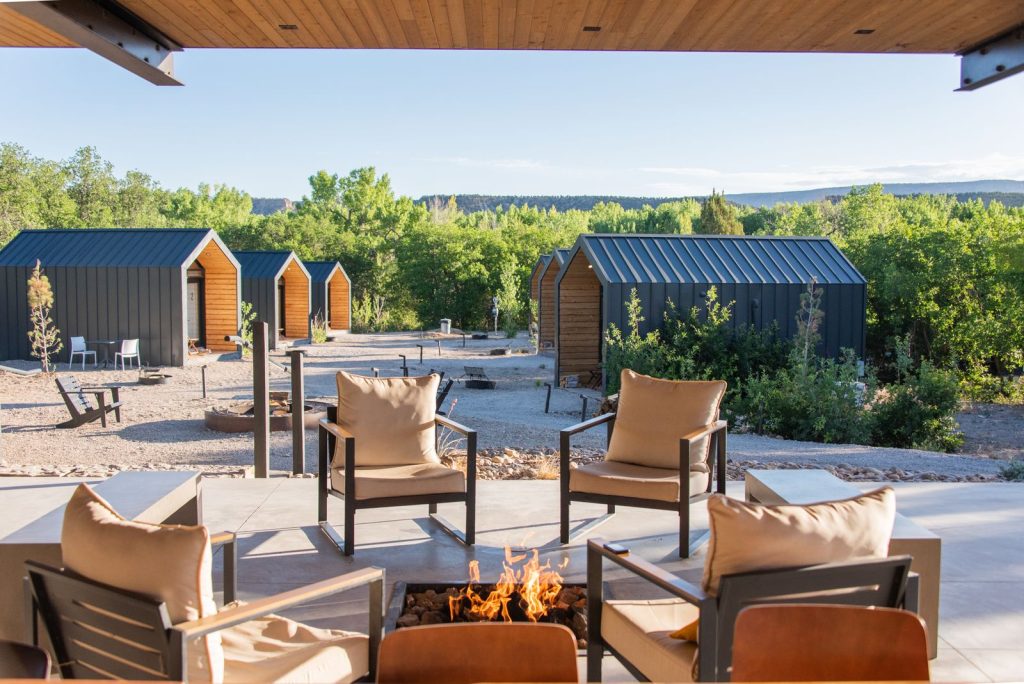
Moreover, utilizing waterproof and weather-resistant materials allows nomadic travelers to create cozy refuges that withstand the elements. For instance, the popularity of outdoor-friendly modular seating and collapsible fire pits enables individuals to entertain guests or unwind at the end of a long day. These adaptations not only enhance the overall living experience but also foster a sense of connectedness with the surrounding environment.
The Role of Smart Technology in Space Optimization
Beyond furniture solutions, smart technology plays an invaluable role in optimizing spaces for nomads. The intersection of innovative design and tech-savvy tools means that space limitations can be managed effectively while enhancing the living experience. For instance, smart shelving units equipped with built-in lighting not only provide storage but also serve as a functional way to illuminate a space.
Further, nomadic travelers can utilize smart home devices to control climates, lighting, and security via their smartphones, allowing them to customize their living environments seamlessly. This technology accommodates the diverse settings in which nomads operate, from urban apartments to wilderness retreats, ensuring comfort and peace of mind regardless of location.
Connecting with Local Resources
Lastly, optimizing temporary spaces involves forging connections with local resources and communities. Nomadic travelers can tap into community resources such as makerspaces and tool libraries to access equipment that allows for temporary modifications or enhancements to accommodations. This strengthens the sense of belonging and enables a deeper engagement with the locales they visit.
For example, many cities now offer co-working spaces that also serve as hubs for nomadic community engagement. Through these interactions, individuals can gather knowledge on local living practices, discovering how to effectively adapt their spaces while honoring the context of their surroundings. In this way, nomadic lifestyles become enriched, transforming mere transitions into meaningful experiences interwoven with the fabric of the places traveled.
DISCOVER MORE: Click here for innovative space-saving ideas
Conclusion: Embracing the Freedom of Nomadic Living
In a world increasingly defined by the nomadic lifestyle, the ability to optimize living spaces within travel and temporary accommodations has become an essential art. The insights explored in this article underscore the importance of flexibility and functionality in creating comfortable, efficient environments that cater to diverse needs and changing locations. Whether through modular furniture solutions, innovative outdoor arrangements, or the integration of smart technology, nomads can shape their living experiences to reflect the richness of their journeys.
Moreover, by engaging with local resources and communities, nomadic travelers can deepen their connection to the places they inhabit, transforming ephemeral stays into meaningful adventures. The art of optimizing spaces is not merely about efficiency; it encompasses a philosophy of adaptability that empowers individuals to create personalized sanctuaries amid the chaos of life on the move.
As the trend toward remote work and travel continues to rise, understanding the principles of space optimization can significantly enhance the nomadic experience. For those seeking to explore this way of life or refine their travel arrangements, embracing these strategies will lead not only to improved living conditions but also to richer, more immersive travel experiences. By unlocking the potential of temporary accommodations, nomadic individuals can weave their stories into the fabric of the world around them, leaving a lasting impact wherever they wander.