Planning Multifunctional Spaces: Creating Versatile and Minimalist Environments for Daily Life
Understanding Multifunctional Living Spaces
The modern home has evolved dramatically, reflecting the intricate, fast-paced lifestyles of its inhabitants. As urbanization increases and living spaces shrink, the need for functional living spaces that adapt to various needs has become critical. Multifunctional spaces are not only practical but also contribute significantly to the overall ambiance and livability of a home, making thoughtful design indispensable.
Key Principles of Multifunctional Design
Transforming a home environment into a multifunctional haven involves adhering to several essential principles:
- Flexibility: It’s crucial to design areas that can smoothly transition from one function to another. For instance, a dining room may also serve as a workspace, allowing family members to gather for meals and meetings alike. Innovative furniture such as extendable tables or collapsible desks can facilitate this dual purpose.
- Minimalism: In fostering a multifunctional space, embracing simplicity can be incredibly effective. A minimalist approach reduces visual clutter, enhances functionality, and creates an airy environment conducive to productivity and relaxation. This could involve selecting furniture pieces with clean lines and opting for a limited color palette to streamline visual impressions.
- Smart Storage: Every inch counts in a multifunctional home, making creative storage solutions indispensable. Think beyond traditional cabinets; utilize under-bed storage, wall-mounted shelves, and nested furniture that offer practical storage without compromising aesthetics. These elements allow owners to maintain order and accessibility throughout their living spaces.
Inspiring Examples
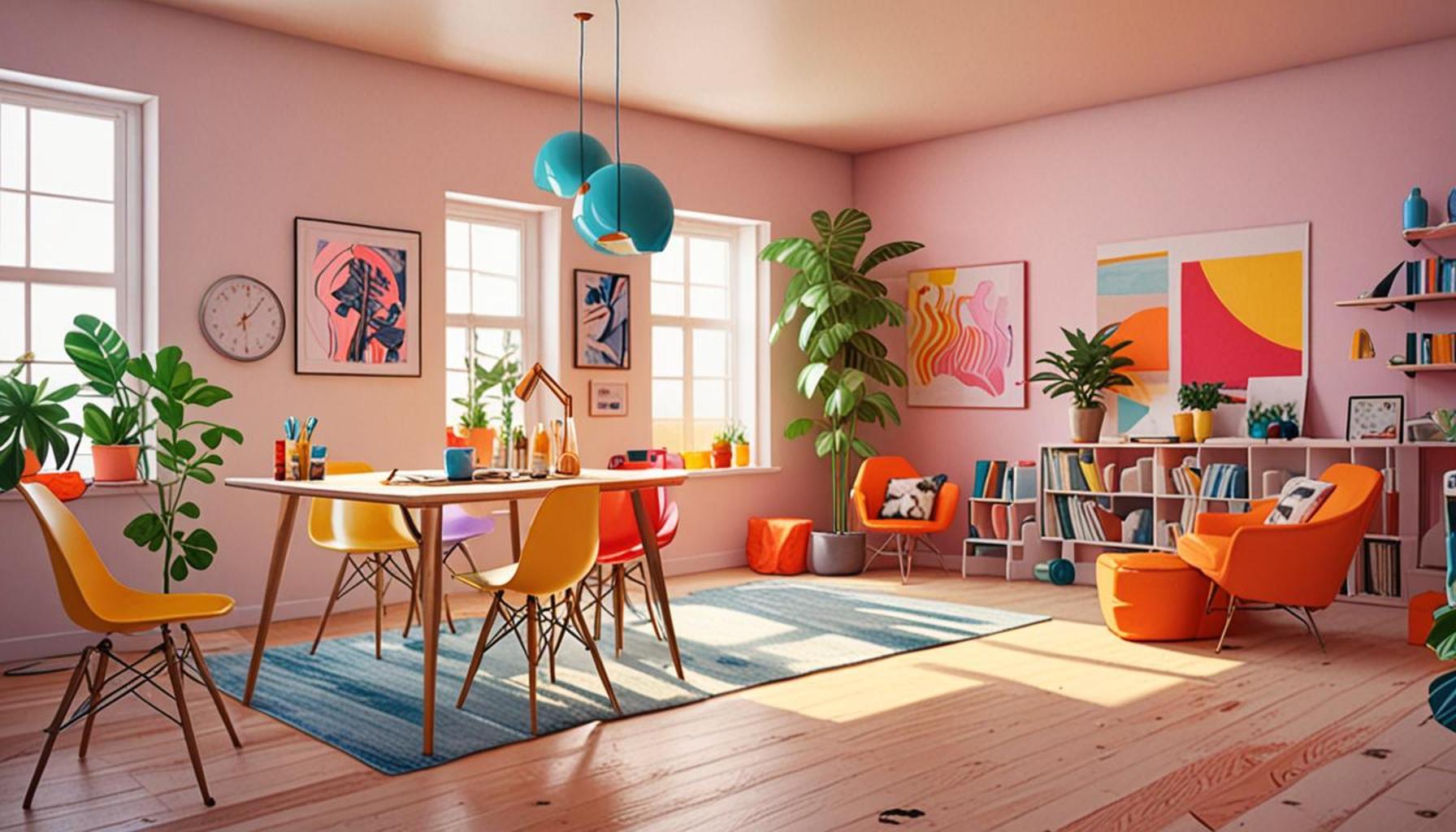
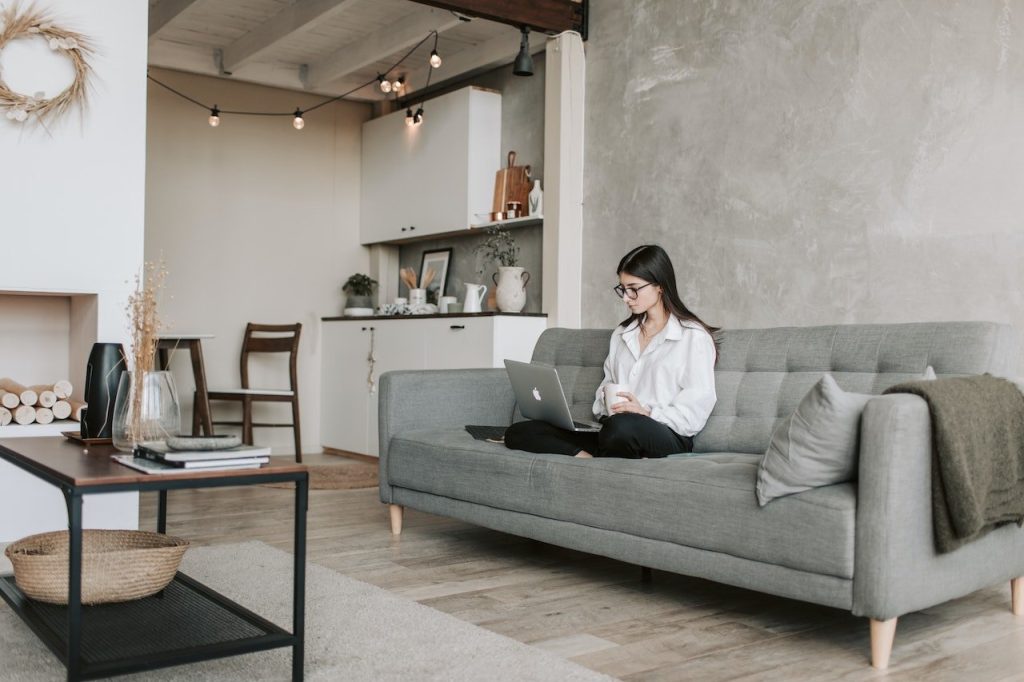
Consider a living room designed to double as a home office. By incorporating modular furniture like a sleek desk that can be tucked away when not in use, the space retains its primary function as a communal gathering spot while also accommodating work-related needs. Alternatively, envision a dining area that transforms into a yoga studio; with adjustable lighting and foldable mats, this dual-use space encourages relaxation and wellness amid mealtime activities.
Emphasizing Sustainability
Incorporating sustainable materials and energy-efficient solutions can elevate the experience of multifunctional living spaces. Materials such as bamboo or recycled wood not only minimize environmental impact but also offer a unique aesthetic appeal. Additionally, energy-efficient appliances and smart home technology can enhance convenience and reduce utility costs, further justifying the investment in multifunctional designs.
Conclusion
As we delve deeper into the world of multifunctional design, a wealth of innovative ideas, practical tips, and real-world examples are waiting to be uncovered. The concepts explored will empower individuals to not only optimize their living spaces but also create environments that resonate with their evolving lifestyles. Whether it’s a cozy urban apartment or a spacious suburban home, adopting these principles can lead to a sanctuary that harmonizes both efficiency and style.
DISCOVER MORE: Click here to learn about living with intention</
Planning Your Multifunctional Space
Creating a multifunctional space requires careful planning and consideration of how each area will serve your lifestyle. The quest for versatility often starts with identifying the specific activities that will take place in your home. From dedicated workspaces to areas for leisure and entertainment, a thorough assessment of your daily routines can help you design an environment that is not only functional but also tailored to meet your needs.
Defining Purposeful Zones
When planning a multifunctional space, begin by defining the various zones that will coexist within the same area. Establishing clear purposes for each segment of your home can minimize confusion and maximize efficiency. Common zones may include:
- Work and Study Areas: With the rise of remote work and online education, carving out a quiet space for productivity is essential. An alcove with a desk and comfortable seating can become a dedicated work zone without disrupting the rest of the home.
- Relaxation Zones: An area designed for relaxation, such as a cozy reading nook or a small meditation corner, can serve as an oasis amid a bustling household. Incorporating elements like cushions, soft lighting, and personal mementos can enhance this tranquil space.
- Social Spaces: The heart of any home, social zones should promote interaction and connection. A combined living and dining room can create a welcoming atmosphere where families can gather and entertain seamlessly.
- Exercise Areas: Prioritizing wellness can be easily integrated into multifunctional spaces. Dedicating a section for yoga, Pilates, or other workouts—complete with a few essentials such as mats and weights—can encourage a healthier lifestyle without the need for a separate gym.
Each zone can be enhanced through the strategic use of furniture and decor that complements its purpose while allowing for easy transformation as needed. For example, a sleek console table can double as both storage and a workspace depending on how you arrange it.
Color and Light: Setting the Mood
The ambiance of a multifunctional space is heavily influenced by color and lighting. Thoughtfully selected shades can evoke different emotions and facilitate the desired atmosphere for each zone. Soft, neutral tones tend to create a calming effect suitable for relaxation and focus, while brighter colors can enliven areas designated for social interaction.
Lighting also plays a pivotal role in multifunctional design. Incorporating adjustable or layered lighting options, such as overhead fixtures, task lighting, and ambient lamps, allows homeowners to shift the mood based on activity. Natural light should also be maximized; consider light-filtering curtains to enjoy rays during the day while ensuring privacy at night.
By understanding the unique requirements of each area, you can create a cohesive and inviting environment that embodies versatility and minimalism. Embracing these guiding principles will empower you to curate a space that not only reflects your lifestyle but also adapts as your needs evolve.
| Category | Details |
|---|---|
| Adaptability | Multifunctional spaces allow for quick transitions between activities, making them ideal for modern living. |
| Simplicity | By embracing a minimalist design, the environment remains uncluttered, promoting focus and well-being. |
Taking into account the numerous demands of contemporary life, planning multifunctional spaces is increasingly vital. These environments seamlessly blend various purposes, offering flexibility that can accommodate anything from work to leisure. For instance, a home workspace can effortlessly transform into a cozy reading nook or a dining space, depending on the moment’s need. Furthermore, the minimalist aesthetic enhances the effectiveness of these spaces. A decluttered environment not only aids in mental clarity but also provides a serene backdrop for both productivity and relaxation. Utilizing dual-purpose furnishings—like foldable tables and storage ottomans—ensures that the space is not only utilized to its fullest but remains inviting and organized.Moreover, integrating natural elements such as plants can further enhance the atmosphere, promoting a calming ambiance. The incorporation of light and colors plays a crucial role in creating a versatile yet calming environment. The right fixtures can also provide both functional and aesthetic benefits, making spaces feel open and welcoming.
DISCOVER MORE: Click here to learn effective decluttering strategies
Maximizing Storage Solutions
In the realm of multifunctional spaces, storage can quickly become a decisive factor in maintaining both organization and harmony. As urban living often limits square footage, incorporating smart storage solutions is essential to ensure that each zone remains functional without sacrificing style. Look for furniture with built-in storage, such as ottomans that open up to reveal hidden compartments or coffee tables with shelves underneath. These elements contribute to a minimalist aesthetic while maximizing the utility of your space.
Wall-mounted shelving can also play a crucial role in minimizing clutter and making the most of vertical space. By using shelves to store books, plants, or decorative items, you can free up floor space and create visually appealing arrangements. Design enthusiasts frequently recommend floating shelves in multifunctional living areas for a sleek look that gives the illusion of a more expansive environment.
Flexible Furniture Choices
Selecting the right furniture is a cornerstone of successful multifunctional design. Furniture that is flexible and adaptable can dictate how well an area performs multiple functions. Look for foldable or expandable pieces, such as drop-leaf tables that can transform from intimate dining setups into larger entertaining spaces. Similarly, Murphy beds or convertible sofas can provide necessary sleeping arrangements without occupying valuable floor space during the day.
Another innovative approach is to opt for modular furniture systems which can be rearranged based on your needs. For instance, sectional sofas allow for reconfiguration depending on the number of guests or the type of activity taking place—be it movie nights or casual gatherings. Consider also multi-purpose benches that offer seating as well as storage, effectively blending utility with comfort.
Emphasizing Minimalist Design Principles
At its core, a minimalist design ethos champions simplicity through careful choices and restraint. To embrace minimalism, focus on quality over quantity by selecting versatile pieces that serve multiple functions and feature timeless designs. This approach not only enhances a serene atmosphere but also elevates the overall aesthetic of your multifunctional space.
When it comes to decor, choose accessories thoughtfully. Art pieces, plants, and textiles should contribute to the space’s mood and comfort without overwhelming it. The “less is more” philosophy applies beautifully here; a few well-placed decor items can create statement moments while maintaining visual clarity. Additionally, consider investing in multifunctional decor, such as decorative baskets that store throws while adding texture to the room.
For absolute clarity, revisiting your space regularly to purge items that no longer serve a purpose can also sustain a minimalist environment. Regular decluttering maintains the multifunctional balance and ensures that every piece within the space enhances your living experience.
Through careful consideration of storage solutions, furniture selection, and minimalist principles, homeowners can successfully create multifunctional spaces that marry form and function seamlessly. These tailored environments not only simplify daily life but also foster a sense of peace and efficiency as they evolve with the rhythms of modern living.
DISCOVER MORE: Click here to learn how to live with purpose</a
Final Thoughts on Multifunctional Spaces
In the quest for creating lasting comfort amid the chaos of modern living, the design of multifunctional spaces emerges as both an art and a science. By integrating intelligent storage solutions, selecting flexible furniture, and embracing minimalist design principles, homeowners can transform their living environments into seamless havens of functionality and tranquility. The key lies in prioritizing versatility, allowing each element within the space to serve multiple purposes—whether it be transforming a living room into an inviting workspace or a dining area that doubles as a relaxation nook.
As space continues to be a premium in urban settings across the United States, the importance of cultivating these adaptable environments cannot be overstated. Such spaces not only contribute to a more calming atmosphere but also enhance our day-to-day efficiency. They reflect a progressive lifestyle, one that values simplicity and intentionality over clutter and complexity.
Furthermore, as lifestyles evolve, so too can our multifunctional approaches. Taking a moment to assess one’s individual needs and preferences will ensure that your living environment grows harmoniously with you. This dynamic relationship with your space encourages regular reassessment and reinvigoration, ultimately fostering a home that is not just lived in, but cherished.
In conclusion, the pursuit of creating versatile and minimalist environments is an ongoing journey. By embracing the core principles of multifunctional design, we can elevate our daily experiences and craft homes that resonate with our lifestyles and aspirations—empowering us to navigate life with grace and ease.